Red Light Therapy Devices for Wrinkles & Skin Firming
Skin changes with time, and the change is rarely sudden.
Collagen production slows year over year, elastin fibers lose some of their
resilience, and skin that once bounced back from a smile or a squint starts to
hold the impression a little longer. What felt taut in your twenties begins to
feel less defined, not overnight, but gradually, in ways that show up first in
photographs and only later in the mirror. reVive Light Therapy™ was built on
the idea that light, delivered at the right wavelength, can support the skin's
own renewal process without needles, downtime, or a trip to a clinic. Instead
of masking signs of aging, the goal is to work with mechanisms already present
in the skin, encouraging fibroblasts to keep doing work they did more readily
years earlier. This collection brings together devices in the reVive lineup
suited to that goal, from compact handhelds for spot treatment to full-face
panels built for broader coverage.
How Red Light Supports Firmer-Looking Skin
Red and near-infrared wavelengths, generally in the 630 to
660 nm range, reach past the surface layer of skin and into the dermis, the
deeper layer where fibroblasts live. Fibroblasts are the cells responsible for
producing collagen and elastin, the two structural proteins that give skin its
firmness, elasticity, and smoothness. As skin ages, fibroblast activity
naturally declines, which is part of why definition and bounce fade over time.
Research into low-level light therapy has shown that these
wavelengths stimulate cellular activity that supports the production of those
structural proteins. The light does not repair skin directly. It signals to
cells that are already there, prompting activity they would otherwise perform
less often. The process is non-invasive, requires no recovery time, and is safe
for all skin tones, which matters for a treatment meant to be used regularly
rather than as an occasional touch-up.
Devices Built for Every Stage of an Anti-Aging Routine
Not every routine calls for the same device, which is why
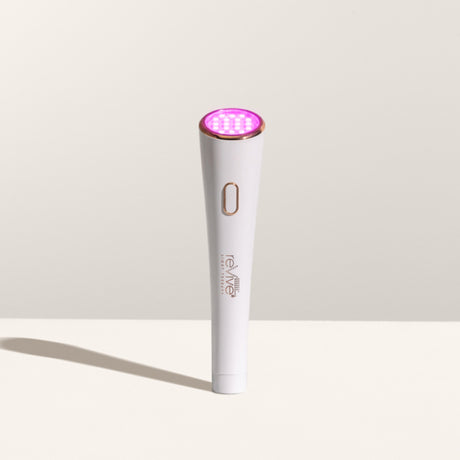
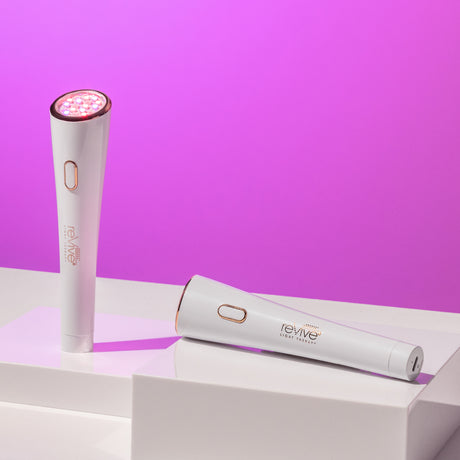
this collection spans several price points and formats. The Lux Glō ($79) is
the most accessible entry point in the line, combining red and blue light in a
compact format that suits smaller treatment areas or a first attempt at red
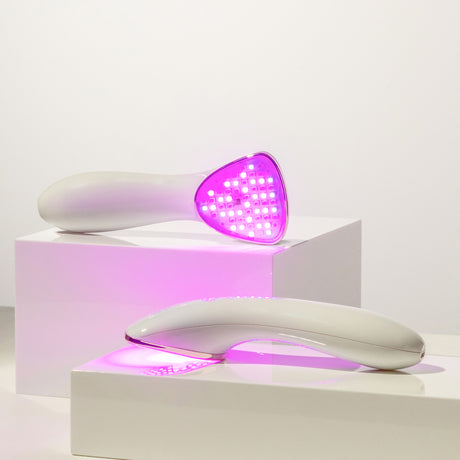
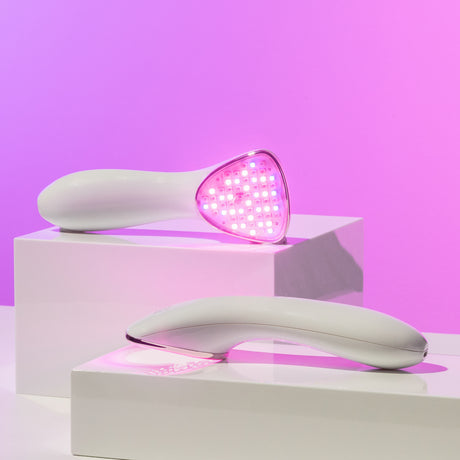
light therapy. The Lux Clinical ($199) expands the treatment
surface, giving broader facial coverage than the Lux Glō and cutting down on
the number of passes needed to treat the full face.
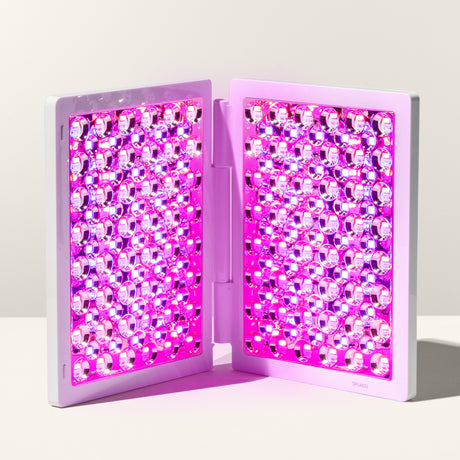
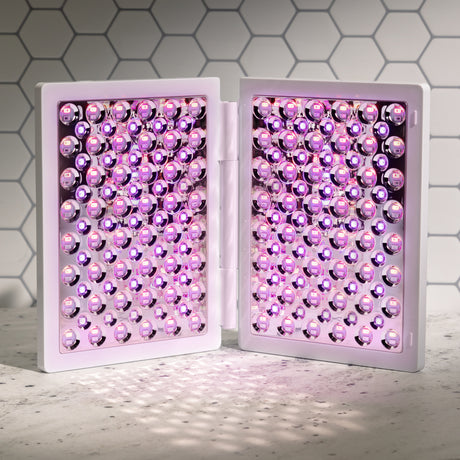
The Lux dpl IIa ($399) sits at the top of the
collection. As reVive's professional-grade panel device, it delivers the most
thorough single session in the line, covering more surface area at once and
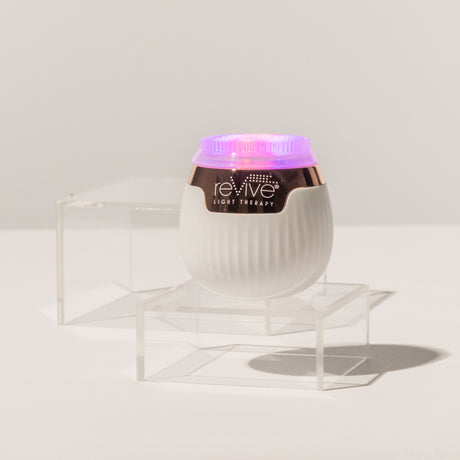
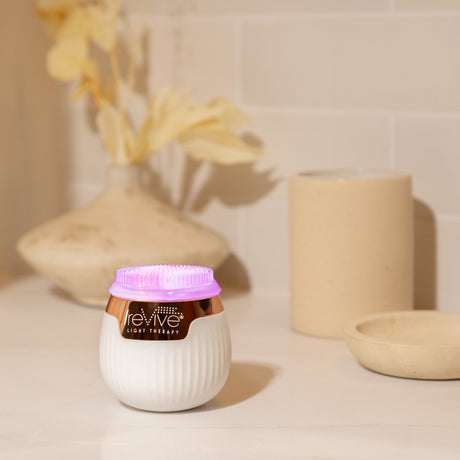
shortening the time spent per session. For a fuller routine, the Lux Soniqué
Cleanser pairs red light with sonic cleansing, folding two steps into one, and
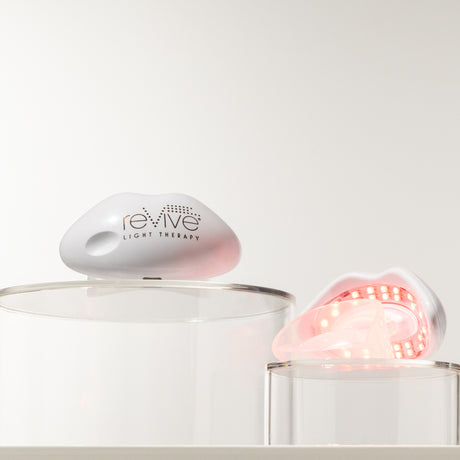
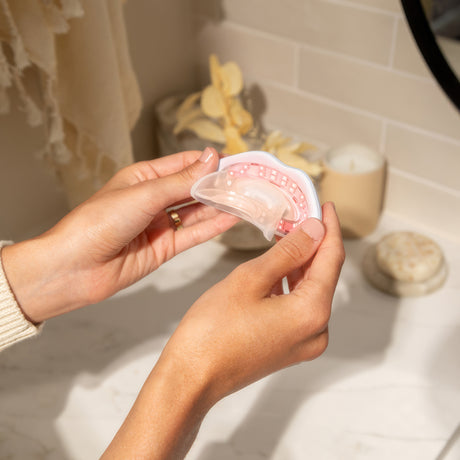
the Lux Lip Care addresses fine lines specifically around the mouth, an area
that is awkward to treat with a larger device. Open Box versions of several of
these devices are available at a reduced price, fully tested and warrantied.
Building Red Light Therapy Into a Skincare Routine
Red light therapy works best as a habit rather than a
one-time treatment. Because the effect is cumulative, these devices are meant
to fit into a routine you can realistically repeat over weeks and months, not
something you try once and set aside. Most people apply it to clean, dry skin
before moisturizer or serum, so the light reaches skin directly rather than
through a layer of product. A single session activates the cells; it is the
sessions repeated over time that produce visible change in firmness and tone.
How a device fits into your day depends on which one you
pick. A compact option suits a quick session worked into an existing step,
while a larger panel suits a dedicated block of time. The Lux Soniqué Cleanser replaces a step you
already do, cleansing, rather than adding a new one, which can make consistency
easier for anyone who struggles to fit in an extra step.
Choosing the Right Device for Your Skin Goals
The right device depends less on age and more on what you
want to treat and how much time you want to spend. A smaller concern, fine
lines around the eyes or mouth, or simply wanting to try red light therapy
without a big commitment, points toward a more compact device. Treating the
whole face in fewer, more thorough sessions points toward a larger panel.
Budget is worth weighing against how often you expect to use
the device. A lower-priced device used consistently will generally do more for
your skin than a pricier one that sits in a drawer. Open Box options are a way to access the
higher-tier devices at a lower cost, for anyone comfortable with a device that
has already been opened, tested, and warrantied rather than sealed from the
factory.
Key Features at a Glance
- FDA-Cleared:
OTC Class II medical devices, independently reviewed for safety and efficacy
- Red
and Near-Infrared Light: wavelengths generally in the 630-660 nm range support
collagen and elastin production
- Non-Invasive:
no needles, injections, or recovery time
- Range
of Formats: from compact handhelds like the Lux Glō to full-face panels like the Lux dpl
IIa
- Safe
for All Skin Tones
- FSA/HSA Eligible on Qualifying Devices
- Options
Across Price Points: from $79 to $399
- Open
Box Devices Available: fully tested and warrantied at a reduced price
- Designed
for Consistent At-Home Use: fits into a routine rather than requiring clinic
visits
Frequently Asked Questions
How does red light therapy help with wrinkles? Red and
near-infrared wavelengths reach the dermis and interact with fibroblasts, the
cells responsible for producing collagen and elastin, the proteins that give
skin its structure and firmness.
How long before I see results? Photobiomodulation works
cumulatively. A single session produces cellular activity, but consistent use
over several weeks is what produces visible change in fine lines, firmness, and
skin tone.
Which device is best for full-face anti-aging
treatment? The Lux Clinical and Lux dpl IIa offer the largest treatment
surfaces in the collection, delivering full-face coverage in a single session
rather than requiring you to treat smaller areas individually.
Is red light therapy safe for sensitive skin or all skin
tones? Yes. These devices are non-invasive and safe for all skin tones, with no
needles, injections, or recovery time involved.
Are these devices FSA/HSA eligible? Several devices in this
collection qualify for FSA/HSA reimbursement. Eligibility varies by device, so
check the individual product page before purchasing.
What is the difference between the entry-level and
professional-grade devices? The Lux Glō ($79) is a compact, accessible option
combining red and blue light. The Lux dpl IIa ($399), reVive's
professional-grade panel device, covers the most surface area for the most
thorough single session in the line, with the Lux Clinical ($199) in between.
Explore reVive's full collection of Red Light Therapy
Devices for Wrinkles and Skin Firming and find the device that fits your
routine, your skin goals, and your budget.


 Sale price $319.20 Regular price $399.00 In StockUnit price /Unavailable
 Sale price $79.20 Regular price $99.00 In StockUnit price /Unavailable
 Sale price $63.20 Regular price $79.00 In StockUnit price /Unavailable

 Sale price $159.20 Regular price $199.00 In StockUnit price /Unavailable
 Sale price $103.20 Regular price $129.00 In StockUnit price /Unavailable
 Sale price $159.20 Regular price $199.00 In StockUnit price /Unavailable


