Handheld skincare devices
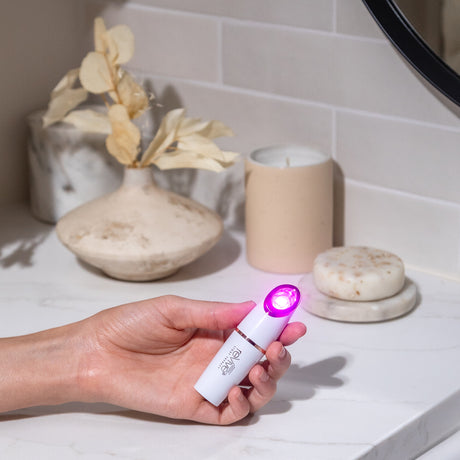
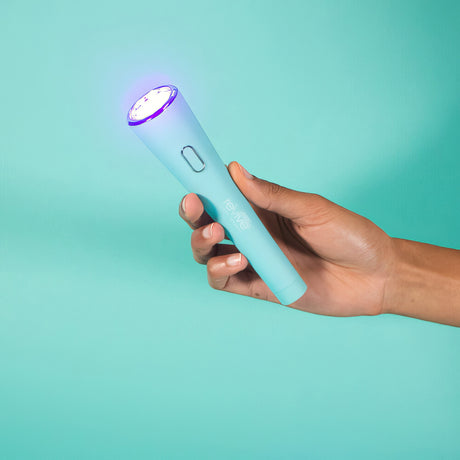
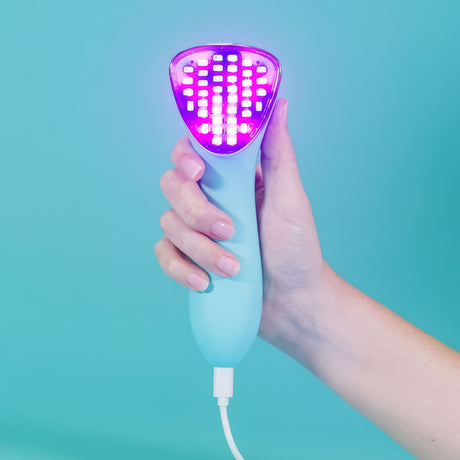
A handheld device changes how you actually use light
therapy. Instead of setting a panel down in front of your face and staying
still, you hold the device yourself, choose exactly where it goes, and move it
across your skin in deliberate passes, area by area. That hands-on control is
the defining trait of the handheld format, not a particular size or a single
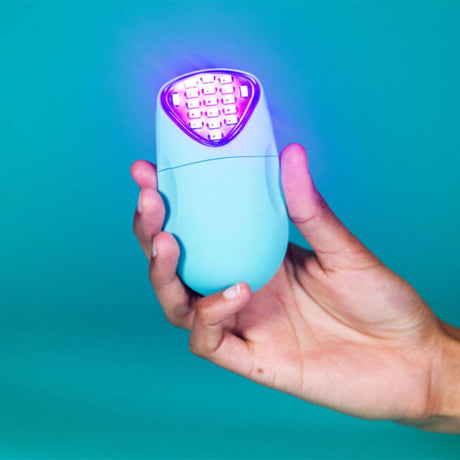
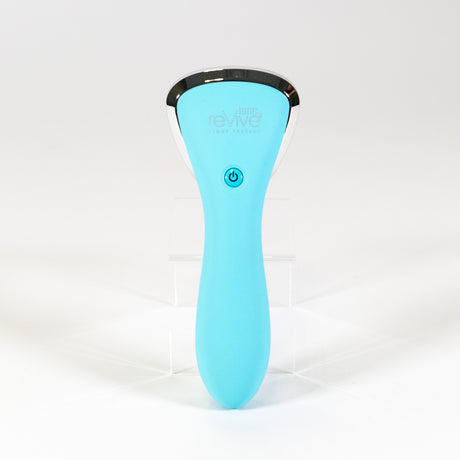
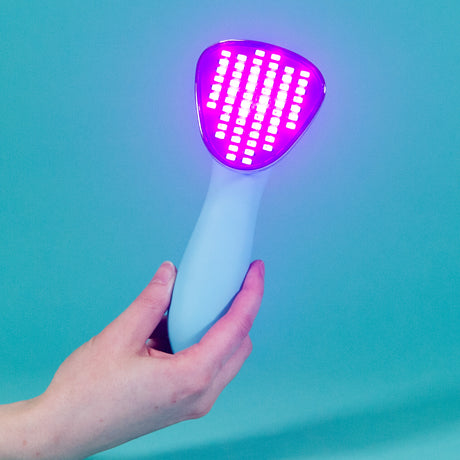
use case. reVive's handheld lineup spans focused spot treatment with the Lux Spot, sonic cleansing paired with blue
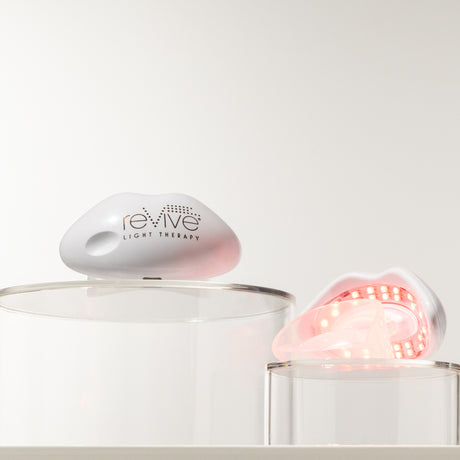
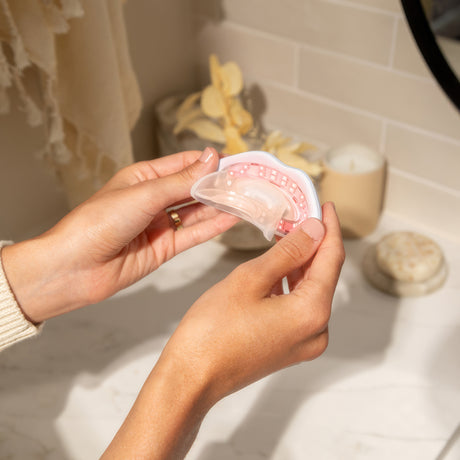
light in the Soniqué Mini, targeted care for lips and the
perioral area with the Lux Lip Care, and broader multi-area coverage
with the Lux Glō, all built around the same idea:
you're the one steering the light, not the device. Panel devices like the Lux Clinical and Lux dpl IIa work differently. You position
them once and let them treat a wider area while you stay put. Neither approach
wins outright, they're built for different habits and different parts of a
skincare routine. This page is about how the handheld format actually works and
how to get the most from one.
Handheld vs. Panel: Two Different Ways to Apply Light
The difference between a handheld device and a panel isn't
really about size, it's about technique. With a panel, you set it in place, sit
back, and let the light cover a fixed area for the length of the session. With
a handheld device, you're gripping it and guiding it yourself, working it
across cheeks, forehead, chin, or a smaller area like the lips in overlapping
passes. That gives you more direct control over exactly where the light lands
and for how long, which matters most when you're treating a specific spot
rather than your whole face at once.
The reVive Handheld Lineup
reVive's handheld catalog covers more ground than the
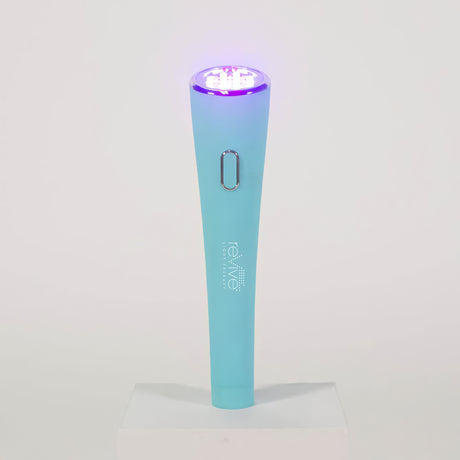
format's compact reputation might suggest. The Lux Spot is built specifically
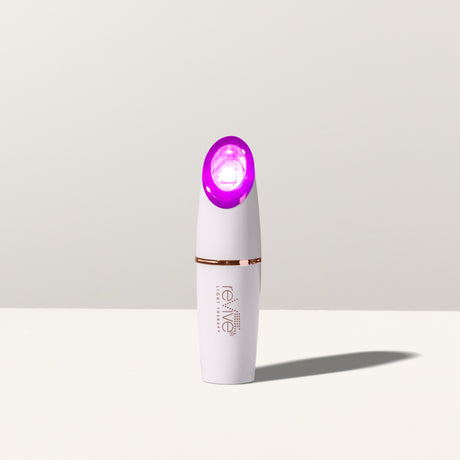
for acne, delivering focused blue light to a breakout in a pocket-sized shape.
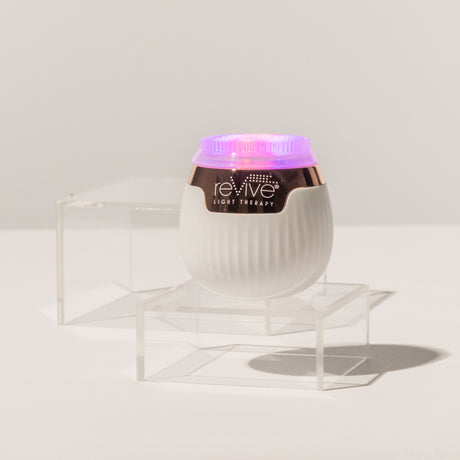
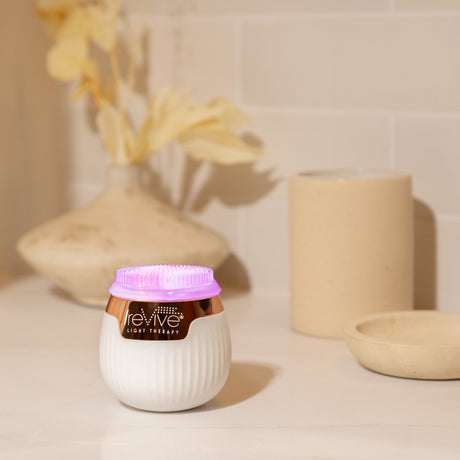
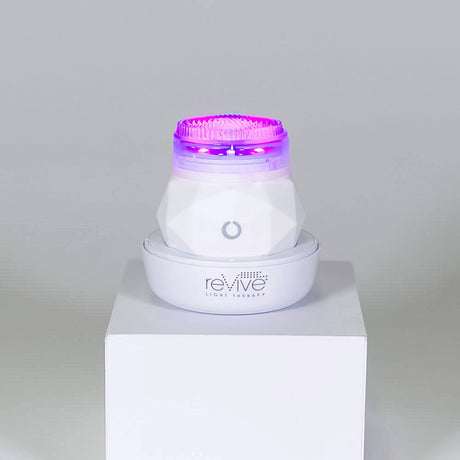
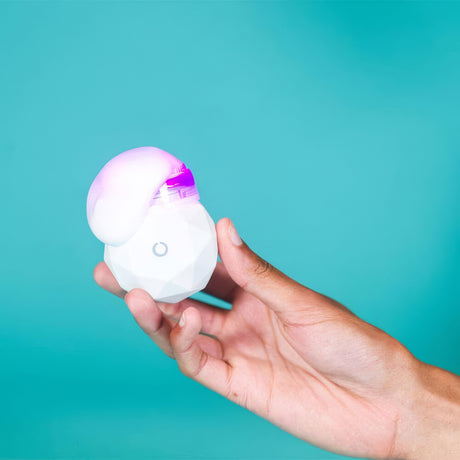
The Soniqué Mini combines sonic cleansing with blue light in one portable step,
useful as part of a cleansing routine rather than a standalone treatment. The
Lux Lip Care applies red light directly to the lips and the surrounding
perioral area, a spot a panel device isn't built to target with the same
precision. The Lux Glō rounds out the lineup with red and blue light in a
compact, portable format for broader everyday use. Several of these are also
available as Open Box units, inspected and tested at a
reduced price.
Getting the Technique Right
Because you're the one moving a handheld device, how you use
it matters more than it does with a panel. Working in slow, overlapping passes
helps ensure a treatment area gets even exposure rather than a single quick
sweep. For spot treatment, like acne or the lip area, that usually means
holding the device steady on the targeted spot for the session rather than
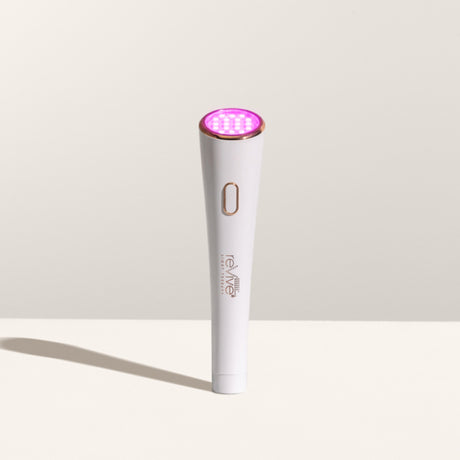
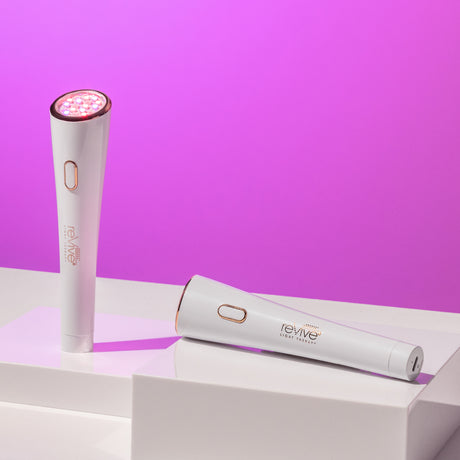
moving it around. For broader coverage with something like the Lux Glō,
methodical passes across the forehead, cheeks, and chin, one area at a time,
tend to work better than rushing across the whole face at once.
Who Reaches for a Handheld Device
Handheld devices tend to appeal to anyone who wants direct
control over where light therapy goes, whether that's someone treating an
occasional breakout with the Lux Spot, someone folding blue light into their
cleansing step with the Soniqué Mini, or someone who wants a single portable
device for red and blue light like the Lux Glō. They also pair naturally with a
panel device already in a routine. A panel like the Lux Clinical can cover
broader areas hands-free, while a handheld device handles the lips or a
stubborn spot the panel isn't built to reach as precisely.
Safety and Fit for Every Skin Tone
Every reVive handheld device is an FDA-cleared OTC Class II
medical device, independently reviewed for safety and efficacy. Because the
underlying mechanism depends on wavelength rather than skin pigment, these
devices are considered safe across skin tones. Many are FSA or HSA eligible, and Open Box options are
available on select devices, inspected, tested, repackaged, and sold at a
reduced price with the same technology and applicable warranty as new.
Key Features at a Glance
- Full
range of handheld formats: spot treatment, sonic cleansing, lip care, and
portable multi-area devices
- Lux
Spot targets acne with focused blue light in a compact, pocket-sized shape
- Soniqué
Mini pairs sonic cleansing with blue light in one portable step
- Lux
Lip Care applies red light directly to the lips and perioral area
- Lux
Glō combines red and blue light in a portable, multi-area format
- Grip-and-glide
design lets you direct light exactly where you want it, pass by pass
- FDA-cleared
OTC Class II devices, independently reviewed for safety and efficacy
- Safe
for all skin tones, since the mechanism depends on wavelength, not pigment
- FSA/HSA
eligible on qualifying devices, with Open Box options at a reduced price
Frequently Asked Questions
What makes a device "handheld" instead of a panel?
You hold it and move it yourself, choosing exactly where the light goes and for
how long, rather than positioning it once and staying still, which is how panel
devices like the Lux Clinical and Lux dpl IIa work.
Do I move the device or hold it still against my skin? It
depends on the goal. For spot treatment, like the Lux Spot on a breakout or the
Lux Lip Care on your lips, you generally hold the device steady on that area.
For broader coverage with something like the Lux Glō, you work it across the
face in overlapping passes.
Which handheld device should I start with? It depends on
what you're treating. The Lux Spot is built for targeted acne treatment, the
Soniqué Mini adds sonic cleansing to blue light, the Lux Lip Care focuses on
lips and the perioral area, and the Lux Glō covers more ground with both red
and blue light.
Can I use a handheld device alongside a panel device? Yes.
Many routines pair a panel for broader, hands-free coverage with a handheld
device for targeted spot treatment or areas a panel isn't built to reach as
precisely, like the lips.
Are handheld devices as effective as panels? They rely on
the same FDA-cleared technology and wavelengths. The real difference is
coverage and technique, a panel treats a wider area at once while a handheld
device lets you focus on and move across a specific spot.
Is it safe to use a handheld device on all skin tones? Yes,
since the mechanism relies on the wavelength of light rather than skin pigment.
Browse reVive's handheld collection to find the device that
fits how you want to apply light therapy.


 Sale price $79.20 Regular price $99.00 In StockUnit price /Unavailable
 Sale price $63.20 Regular price $79.00 In StockUnit price /Unavailable

 Sale price $159.20 Regular price $199.00 In StockUnit price /Unavailable
 Sale price $31.20 Regular price $39.00 In StockUnit price /Unavailable
 Sale price $103.20 Regular price $129.00 In StockUnit price /Unavailable
 Sale price $159.20 Regular price $199.00 In StockUnit price /Unavailable
 Sale price $4.00 Regular price $5.00 In StockUnit price /Unavailable
 Sale price $47.20 Regular price $59.00 In StockUnit price /Unavailable
 Sale price $8.00 Regular price $10.00 In StockUnit price /Unavailable
 Sale price $19.50 Regular price $39.00 Out of stockUnit price /Unavailable
 Sale price $79.20 Regular price $99.00 In StockUnit price /Unavailable
 Sale price $47.20 Regular price $59.00 In StockUnit price /Unavailable
 Sale price $159.20 Regular price $199.00 In StockUnit price /Unavailable


