LED Light Therapy Devices for Psoriasis
People living with psoriasis often spend a lot of time
researching anything that might help, and light-based treatments come up
constantly in that search. It makes sense: light therapy in clinical
dermatology has a long history, and psoriasis involves inflammatory processes
at the cellular level that researchers have studied for decades. This page
exists to explain how reVive's LED devices actually work, in general terms, so
you can understand the mechanism without walking away with the wrong idea about
what these products are for. reVive devices are OTC cosmetic light therapy
devices. They are not intended to diagnose, treat, cure, or prevent psoriasis
or any other disease, and nothing on this page should be read as a claim
otherwise. Psoriasis is a diagnosable medical condition, and it deserves the
attention of a dermatologist who can look at your specific case. What follows
is background on photobiomodulation and how reVive's technology fits into the
broader picture of LED skin care, not a treatment protocol.
What photobiomodulation actually is
Photobiomodulation is the term for how LED light interacts
with skin cells. reVive's devices use red and near-infrared wavelengths around
630 to 660 nm, which reach into the dermis and interact with fibroblasts, the
cells responsible for producing collagen and elastin. Some devices also use
blue light around 415 nm, which is absorbed by porphyrins in acne-causing
bacteria. These are the two mechanisms behind every reVive product, and they
are well documented in the general photobiomodulation and OTC skin care
literature. Neither mechanism is described, marketed, or intended as a
treatment for an inflammatory skin disease like psoriasis.
Why psoriasis is a different category from cosmetic skin concerns
Psoriasis involves an overactive immune response that speeds
up skin cell turnover, leading to the scaling and inflammation associated with
the condition. That is a fundamentally different process from the cosmetic
concerns reVive devices are built around, like the appearance of fine lines or
occasional breakouts. A dermatologist can assess how psoriasis is behaving on
your skin, what triggers it, and what treatment approach fits your case, none
of which a general OTC light therapy device is positioned to do. This is
exactly why we are direct about the boundary here rather than letting the
general research on light and skin cells blur into an implied claim about
psoriasis itself.
What reVive devices are designed for
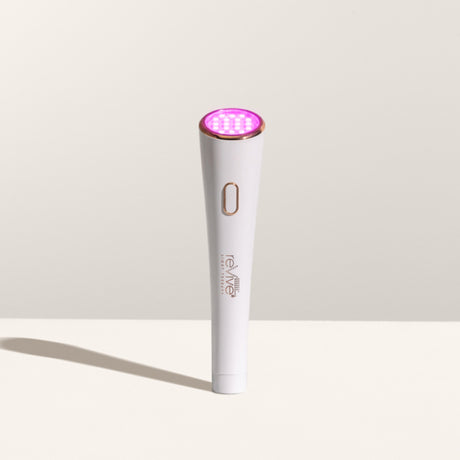
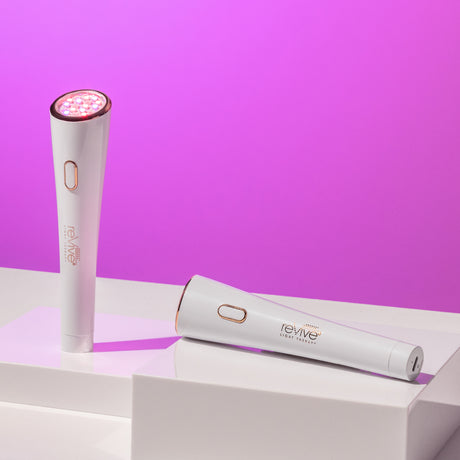
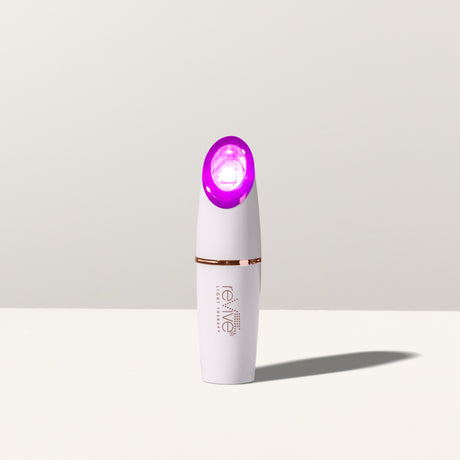
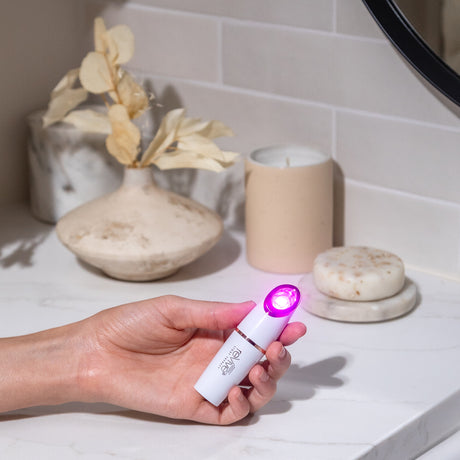
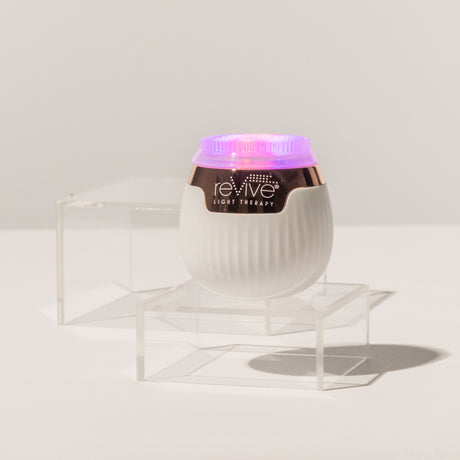
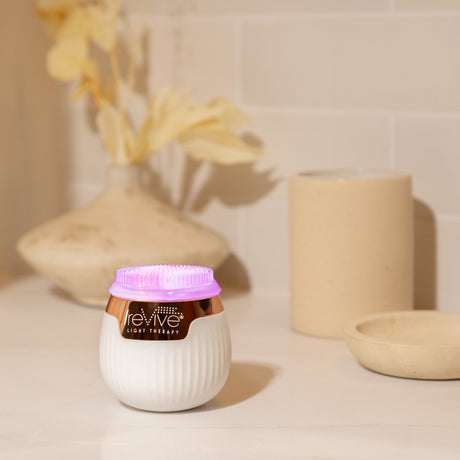
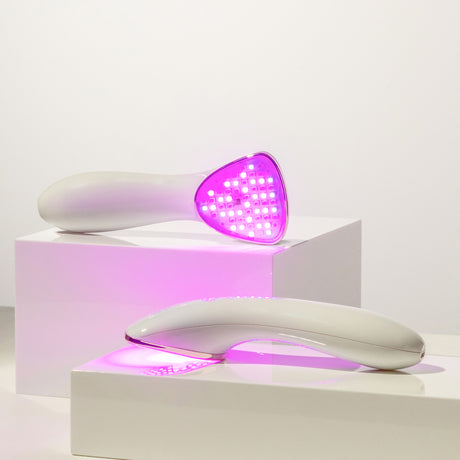
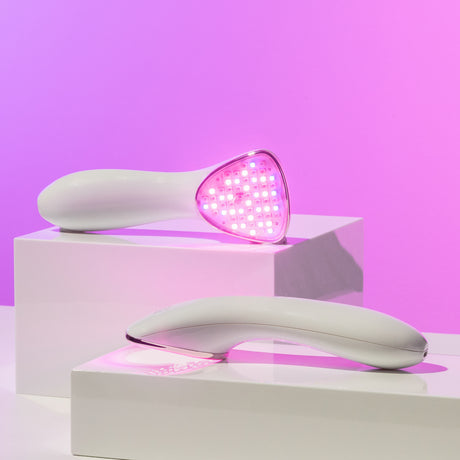
Every reVive device, from the compact Lux Glō to the professional-grade Lux dpl IIa, is built and FDA-cleared as an OTC Class II cosmetic
device, independently reviewed for safety and efficacy on the basis of its
intended cosmetic use. That clearance covers general skin care applications,
not the treatment of psoriasis or any diagnosed skin disease. If you are interested
in the general science behind red, near-infrared, and blue light, our devices
are a reasonable way to explore that at home for cosmetic purposes. If you are
managing psoriasis, that conversation belongs with a dermatologist first.
A straightforward recommendation
If you have psoriasis and are curious about light therapy
devices, the most useful first step is a conversation with a dermatologist
before introducing any new light therapy device into your routine, including an
OTC one. They can tell you whether a given device is appropriate for your skin,
your current treatment plan, and the specific way your psoriasis presents. This
page is meant to inform, not to suggest that a reVive device belongs in that
conversation as a treatment.
Key Features at a Glance
- Photobiomodulation
technology using red, near-infrared, and blue LED wavelengths
- Red
and near-infrared light (630-660 nm) interacts with fibroblasts tied to
collagen and elastin
- Blue
light (approximately 415 nm) absorbed by porphyrins in acne-causing bacteria
- FDA-cleared
OTC Class II devices for cosmetic use, independently reviewed for safety and
efficacy
- Not
intended to diagnose, treat, cure, or prevent psoriasis or any other disease
- Range
of formats from compact handhelds like the Lux Glō to panels like the Lux Clinical and Lux dpl IIa
- FSA/HSA eligible on qualifying devices
- Open Box devices available: inspected, tested,
repackaged, same technology, applicable warranty
Frequently Asked Questions
Can a reVive device treat or improve my psoriasis? No.
reVive devices are OTC cosmetic light therapy devices, not intended to
diagnose, treat, cure, or prevent psoriasis or any other disease. Please
consult a dermatologist for anything related to managing psoriasis.
Is it safe to use an LED device if I have psoriasis? We are
not in a position to say whether any specific light therapy device is
appropriate for your psoriasis. Speak with a dermatologist before using any
light therapy device, OTC or otherwise, if you have psoriasis.
What is photobiomodulation, in general terms? It is the
general term for how LED light interacts with skin cells. reVive devices use
red and near-infrared light, which interacts with fibroblasts, and blue light,
which targets acne-causing bacteria. This is general skin biology, not a claim
about treating any disease.
Are reVive devices FDA approved to treat psoriasis? No.
reVive devices are FDA-cleared as OTC Class II devices for general cosmetic
use. That clearance does not cover the treatment of psoriasis or any other
diagnosed disease.
Should I stop my current psoriasis treatment if I try a
light therapy device? We cannot advise on that. Any changes to how you manage a
diagnosed condition like psoriasis should go through your dermatologist.
Who should I talk to before using any light therapy device
if I have psoriasis? A dermatologist. They understand your specific case and
can advise on whether any light-based device fits into your care plan.
Why does reVive publish general information about psoriasis
if the devices are not intended for it? Because people researching light
therapy and people researching psoriasis often land on the same pages, and we
would rather be direct about the mechanism and the boundary than leave that
unaddressed. We are not the right resource for managing psoriasis, and we want
that clear before anything else.
Talk to a dermatologist about psoriasis, and explore
reVive's FDA-cleared cosmetic devices separately for general skin care.


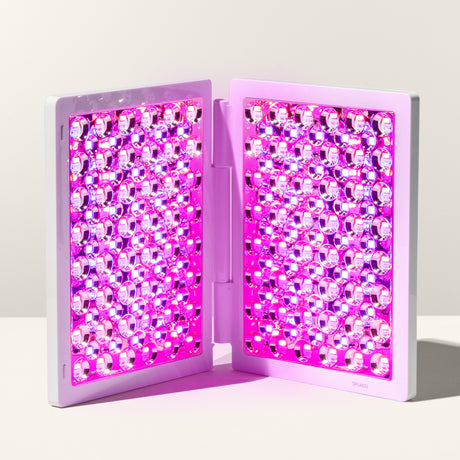
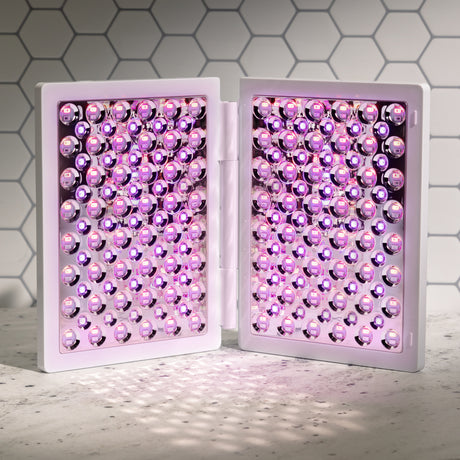 Sale price $319.20 Regular price $399.00 In StockUnit price /Unavailable
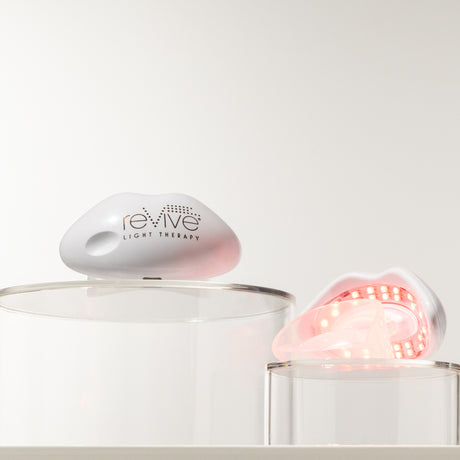
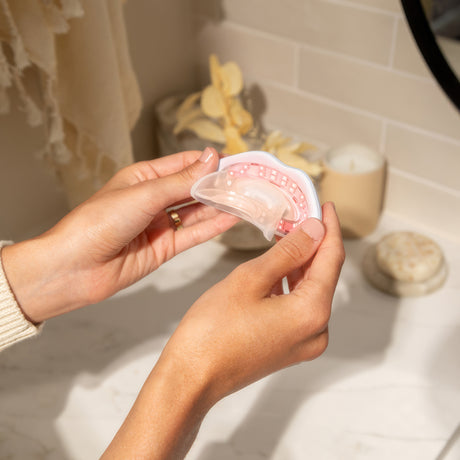 Sale price $79.20 Regular price $99.00 In StockUnit price /Unavailable
 Sale price $63.20 Regular price $79.00 In StockUnit price /Unavailable

 Sale price $159.20 Regular price $199.00 In StockUnit price /Unavailable
 Sale price $31.20 Regular price $39.00 In StockUnit price /Unavailable
 Sale price $103.20 Regular price $129.00 In StockUnit price /Unavailable
 Sale price $159.20 Regular price $199.00 In StockUnit price /Unavailable


