LED Technologies Light Therapy Devices
Before reVive became a name people recognize in skincare,
LED Technologies, Inc. spent close to 20 years researching how specific
wavelengths of light interact with skin, a field called photobiomodulation.
That research is the foundation of every device sold here, and it's also why
this hub is organized by technology rather than by symptom. If you already have
a sense of which wavelength interests you, or you'd simply rather understand
the mechanism before shopping by concern, start with the three sub-collections
below: red light therapy, near-infrared light therapy, and blue light therapy
devices. Each wavelength does a distinct job. Red and near-infrared light reach
into the dermis to support collagen and elastin production. Blue light works
closer to the surface, targeting the bacteria behind breakouts. Every device
across these collections is an FDA-cleared OTC Class II product,
independently reviewed for safety and efficacy, so the choice here comes down
to which light matches what you're curious to try. None of these
sub-collections require prior experience with light therapy, since the
wavelength descriptions below explain the mechanism from the ground up.
Two Decades Behind Every Device
LED Technologies, Inc. is the company behind reVive, and its
research into photobiomodulation stretches back nearly 20 years. That history
matters here because it's the reason each wavelength offered in this hub, red,
near-infrared, and blue, has a defined mechanism behind it rather than a
marketing claim. Shopping by technology means trusting that groundwork rather
than guessing at what a device might do. It's also why every device sold under
LED Technologies, Inc. carries FDA clearance as an OTC Class II product,
independently reviewed rather than self-certified.
Red Light Therapy
Red light around 630-660 nm reaches down into the dermis,
where it interacts with fibroblasts, the cells responsible for producing
collagen and elastin. Those two proteins are closely tied to how firm and
smooth skin looks over time. The red light therapy sub-collection includes
devices built specifically around this wavelength, from compact options for
spot use to full panels for broader coverage. Because the mechanism depends on
wavelength rather than pigment, every device in this sub-collection is considered
safe for all skin tones, and several also carry FSA/HSA eligibility for shoppers using those
funds.
Near-Infrared Light Therapy
Near-infrared light sits at the far end of the same
wavelength range used in red light therapy, and many reVive devices apply the
two together rather than as separate technologies. The near-infrared light
therapy sub-collection highlights devices that lean into this deeper-reaching
wavelength, useful for anyone specifically curious about this end of the light
spectrum rather than red light in isolation. In practice, the panels and handhelds you'll find here are the same
FDA-cleared devices referenced in the red light therapy sub-collection, just
viewed through the near-infrared side of what they do.
Blue Light Therapy Devices
Blue light around 415 nm works through a different mechanism
entirely. It's absorbed by porphyrins inside acne-causing bacteria, producing
byproducts that are lethal to the bacteria without damaging the skin around it.
The blue light therapy devices sub-collection gathers everything built around
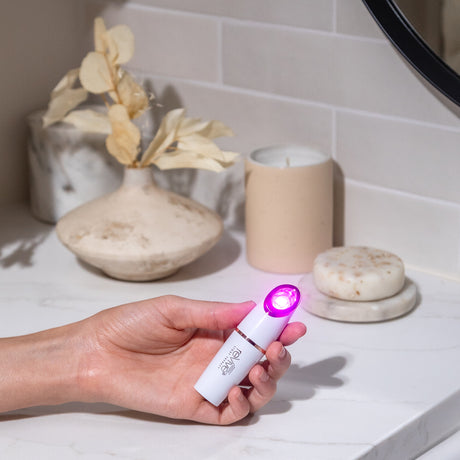
this wavelength, from the compact Lux Spot ($39), built for quick, targeted acne
spot treatment, to panels like the Lux Clinical that combine it with red light
for broader coverage.
Choosing a Wavelength Instead of a Concern
Shopping by technology works well if you already know
roughly what you want, or if you want a device flexible enough to grow with
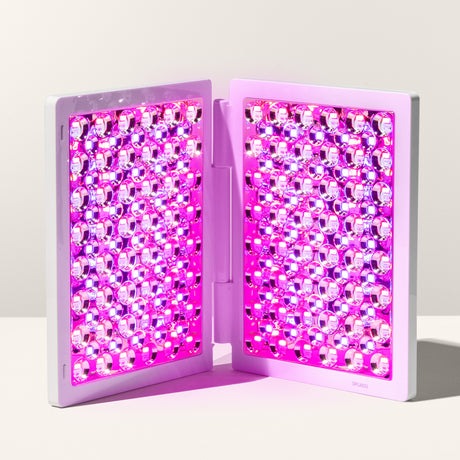
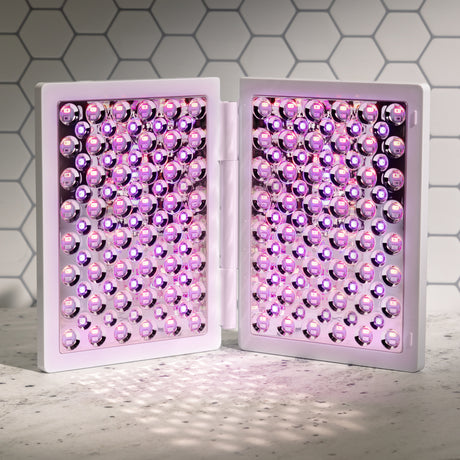
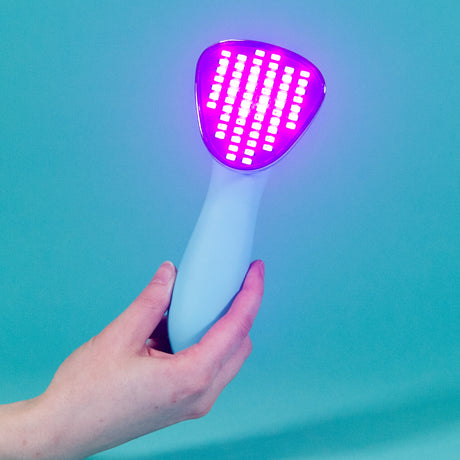
you. A panel like the Lux dpl IIa ($399) applies both red and blue
light in three-minute full-face sessions, which means committing to it doesn't
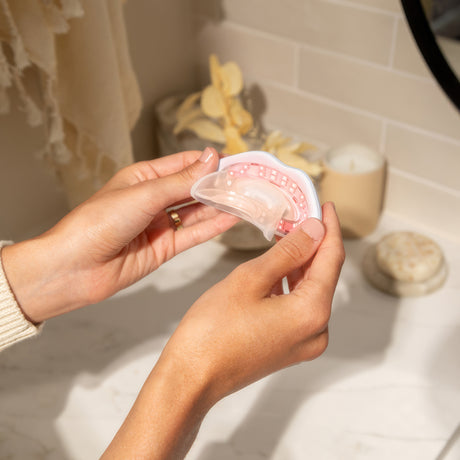
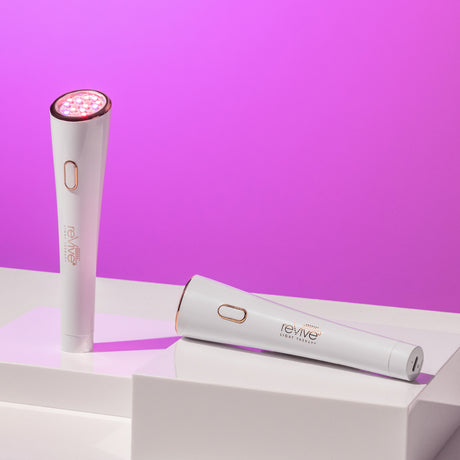
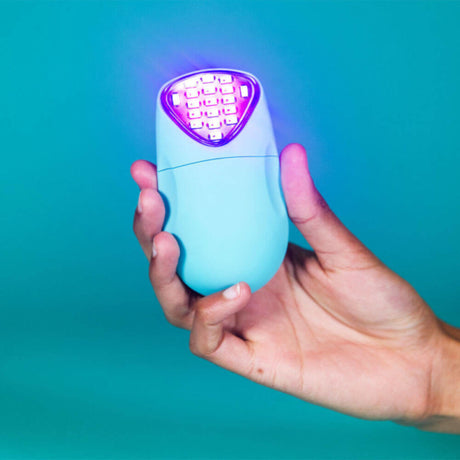
mean choosing only one wavelength. Compact devices like the Lux Glō ($79) offer the same dual-light
approach in a smaller, more portable form. Whichever sub-collection you start
in, qualifying devices remain FSA/HSA eligible, so the technology-first path
doesn't cost you anything on the practical side of shopping.
Key Features at a Glance
- Built
on nearly 20 years of photobiomodulation research from LED Technologies, Inc.
- FDA-cleared
OTC Class II devices, independently reviewed for safety and efficacy
- Red
and near-infrared light around 630-660 nm supports collagen and elastin
production
- Blue
light around 415 nm targets acne-causing bacteria at the source
- Full-face
sessions as short as three minutes with the Lux dpl IIa
- Devices
available from $39 compact spot treatments to $399 professional-grade panels
- Several
devices combine two wavelengths in one unit
- Safe
for all skin tones, since the mechanism relies on wavelength, not pigment
- FSA/HSA
eligible on qualifying devices
Frequently Asked Questions
What's the actual difference between red and near-infrared
light? Both fall in a similar wavelength range, around 630-660 nm, and both
reach the dermis to support collagen and elastin production. Many reVive
devices apply them together rather than as two separate treatments.
Why would I shop by wavelength instead of by skin concern? If you already understand
which mechanism you're interested in, or you want a device that isn't limited
to one narrow use, starting from the technology can be a more direct path than
browsing by symptom. It also helps if you're comparing devices across more than
one skin goal at once, since the wavelength stays constant even as the goal
changes.
Is blue light therapy only useful for acne? Blue light's
main mechanism targets acne-causing bacteria, but several reVive devices pair
it with red light so a single session addresses more than one concern at once,
including the Lux dpl IIa, Lux Clinical, and Lux Glō.
Who is LED Technologies, Inc.? LED Technologies, Inc. is the
parent company behind reVive, with close to 20 years of research into
photobiomodulation, the science of using LED light to affect skin at a cellular
level.
Are these devices regulated or reviewed by any authority?
Yes. Every reVive device referenced in these sub-collections is an FDA-cleared
OTC Class II device, meaning it has been independently reviewed for safety and
efficacy.
Can I combine devices from different wavelength
sub-collections? Yes, many customers do. Since red, near-infrared, and blue
light work through different mechanisms, using devices from more than one
sub-collection is common and not redundant.
Explore red, near-infrared, or blue light therapy below to
find the technology that fits what you're looking for.


 Sale price $319.20 Regular price $399.00 In StockUnit price /Unavailable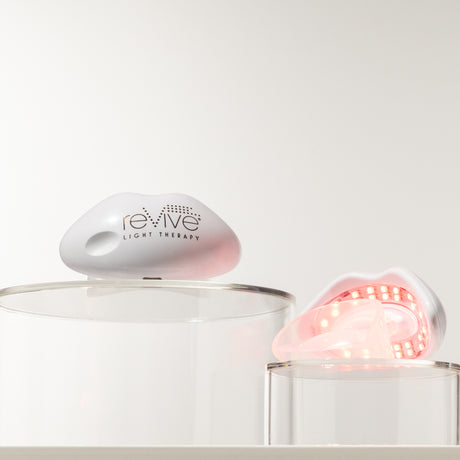
 Sale price $79.20 Regular price $99.00 In StockUnit price /Unavailable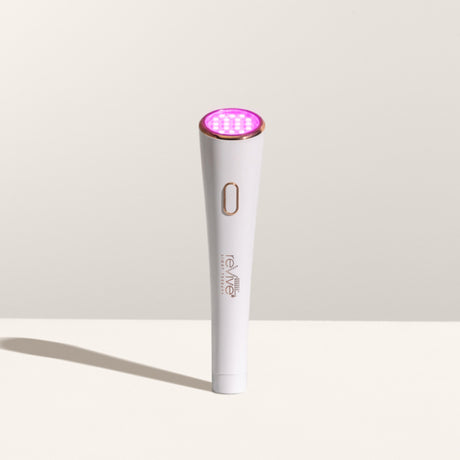
 Sale price $63.20 Regular price $79.00 In StockUnit price /Unavailable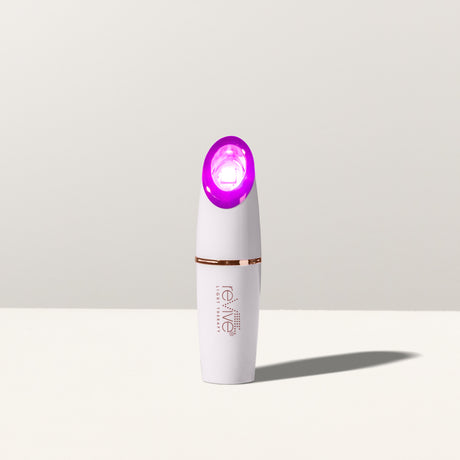
 Sale price $31.20 Regular price $39.00 In StockUnit price /Unavailable
 Sale price $103.20 Regular price $129.00 In StockUnit price /Unavailable
 Sale price $159.20 Regular price $199.00 In StockUnit price /Unavailable
 Sale price $4.00 Regular price $5.00 In StockUnit price /Unavailable
 Sale price $47.20 Regular price $59.00 In StockUnit price /Unavailable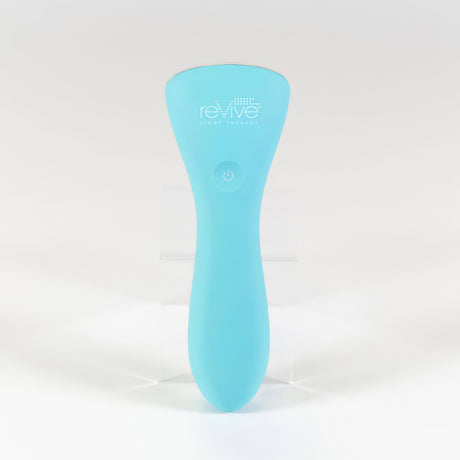
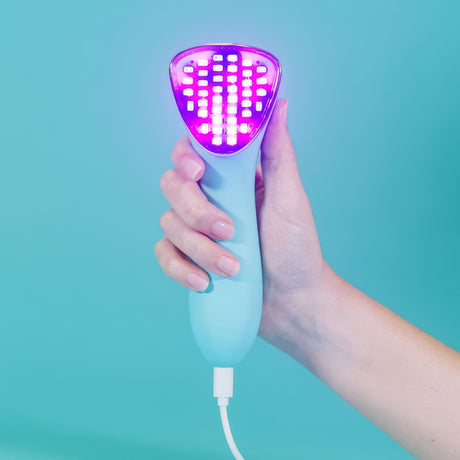 Sale price $79.20 Regular price $99.00 In StockUnit price /Unavailable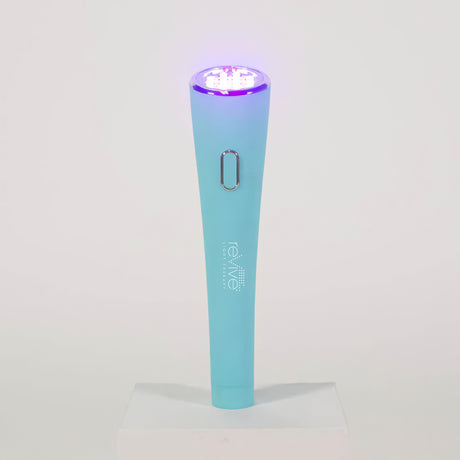
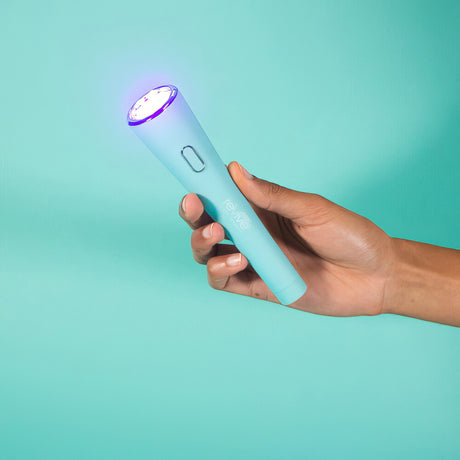 Sale price $31.20 Regular price $39.00 In StockUnit price /Unavailable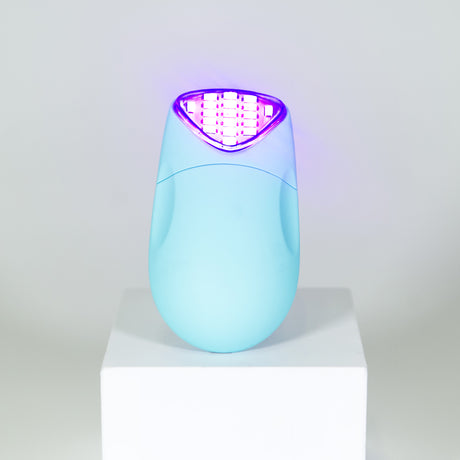
 Sale price $47.20 Regular price $59.00 In StockUnit price /Unavailable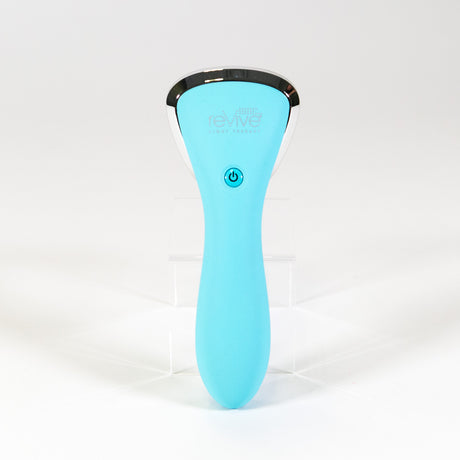
 Sale price $159.20 Regular price $199.00 In StockUnit price /Unavailable
