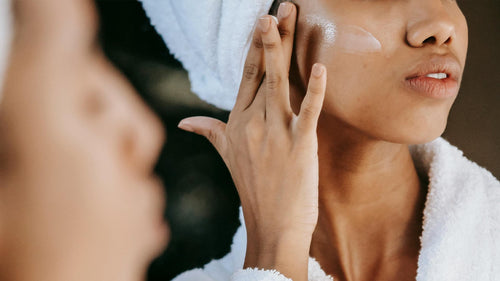
The skin beneath your eyes is the thinnest on your entire face, roughly four times thinner than the rest of your complexion. It reveals early signs of aging faster, responds to poor sleep more visibly, and tends to resist even the most sophisticated topical routines. This is exactly why under eye red light therapy has moved from professional treatment rooms into the daily rituals of discerning skincare enthusiasts, and why the science behind it is worth understanding deeply before you invest.
At reVive Light Therapy™, built on nearly 20 years of R&D by LED Technologies, Inc., photobiomodulation is not a wellness trend. It is the foundation of every FDA-cleared device we engineer. This guide covers everything you need to know about using red light therapy on the under-eye area: the mechanisms, the real-world benefits, the right devices, the correct protocol, and the honest answers to questions people are genuinely asking.
What Under Eye Red Light Therapy Is and How It Actually Works
Red light therapy, also called photobiomodulation (PBM), delivers specific wavelengths of visible red light directly into skin tissue. For skin applications, the most studied and effective range sits between 630 and 660 nm. At these wavelengths, light energy penetrates the dermis and is absorbed at the cellular level, specifically by the mitochondria, the energy-producing centers of skin cells.
This absorption triggers a cascade of biological activity. Fibroblasts, the cells responsible for manufacturing collagen and elastin, respond to light stimulation by increasing their output. At the same time, local circulation improves, which supports the delivery of oxygen and nutrients to the tissue. Inflammatory markers settle. The skin's natural repair processes accelerate.
Research has shown that skin aging is associated with a reduction in collagen synthesis and a rise in the activity of enzymes that break down collagen. A landmark study published in the Journal of Investigative Dermatology investigated 660 nm LED treatments as a method to influence these two processes. The results were meaningful: researchers found a 31% increase in type-1 procollagen levels and an 18% reduction in collagen-degrading enzyme activity in LED-treated skin compared to untreated samples. More than 90% of participants also showed a reduction in wrinkle depth and surface roughness after 12 treatment sessions.¹
For the under-eye area specifically, this translates to gradual but measurable improvements in skin quality, provided the approach is consistent and the device is calibrated to the right wavelengths.
The Key Benefits of Red Light Therapy for the Under-Eye Area
Stimulates Collagen to Smooth Fine Lines and Crow's Feet
The under-eye zone loses collagen faster than most facial areas, which is why crow's feet and fine lines often appear there first. Research confirms that LED light in the 600 to 660 nm range stimulates fibroblast activity and increases collagen and elastin synthesis in the dermis.² With sustained use, this structural support builds from within, firming the tissue, reducing the depth of lines, and restoring elasticity over time.
In an in-house study conducted by LED Technologies, Inc., 97% of participants experienced a significant reduction in wrinkles after 10 weeks of consistent use. Read the full study.
Improves Circulation to Address Dark Circles
Because the skin under the eyes is so thin, underlying blood vessels are more visible there than anywhere else on the face. Reduced microcirculation and slower lymphatic drainage can worsen both the darkness and the puffiness of this zone over time. Red light therapy works on multiple levels here: by improving local blood flow, it helps skin cells receive more oxygen and nutrients, which contributes to a healthier, more even-toned appearance. Improved circulation also reduces the bluish-purple tint associated with visible vasculature under thin, aging skin.³
Reduces Puffiness and Fluid Retention
Temporary under-eye swelling driven by fluid accumulation, which is often the result of disrupted sleep, dietary sodium, or environmental triggers, responds well to consistent photobiomodulation sessions. Research supports the role of red light therapy in improving lymphatic drainage and reducing localized inflammation, both of which contribute to a less puffy under-eye area.¹
It is worth setting clear expectations here: red light therapy addresses puffiness related to fluid retention and inflammation. Structural bags caused by orbital fat displacement are a different matter entirely and are outside the scope of light-based treatments.
Firms and Tightens the Under-Eye Skin
By energizing fibroblasts, red light therapy helps restore the skin's structural support system. This firming effect is gradual and cumulative. It is not a short-term result, but a measurable shift in skin density and texture that becomes apparent after several weeks of regular sessions, and that continues to develop with ongoing use.³
Does Under Eye Red Light Therapy Actually Work?
The short answer is yes, with the right expectations in place.
A study published in Archives of Dermatological Research evaluated an at-home LED device designed specifically for the under-eye area. Eleven participants self-administered treatment using a device emitting red (633 nm) and near-infrared (830 nm) light for six weeks. Participants self-reported consistent improvements in under-eye wrinkles, skin texture, dark circles, puffiness, and pigmentation.⁴
Community feedback reflects these findings. People who incorporate under-eye red light therapy into a consistent routine, not as an occasional add-on but as a daily practice, report meaningful visual changes over time. The technology has solid scientific grounding, and the results are real, progressive, and proportional to the consistency of use.
Types of At-Home Devices Designed for the Under-Eye Area
LED Eye Masks and Goggles
These hands-free devices are designed to wrap around the orbital area, delivering red and sometimes near-infrared light simultaneously to both eyes. They offer convenience and full surface coverage, making them practical for daily use. The key criteria to look for are devices that specify exact wavelengths and carry FDA clearance.
Handheld Wands and Targeted Devices
Precision handheld devices offer a different kind of control. Rather than treating both eyes passively, you direct the light exactly where you want it. reVive Light Therapy™ devices in the Lux Collection feature an exclusive triangular-shaped treatment head, engineered to access hard-to-reach areas like under the eyes and around the nose with an accuracy that broader panels simply cannot match. The reVive Lux Clinical, for example, delivers this precision with clinical-grade power and FDA-cleared reliability. This geometry is not cosmetic. It reflects the engineering logic that precision matters as much as power when treating delicate facial zones.
Under-Eye Patches and Adhesive Devices
LED-embedded patches sit directly under the eye during use. They offer a more targeted, passive experience and are useful for adding red light therapy to an already-established skincare ritual. They tend to feature fewer LEDs at lower intensity, making them a good entry point but a less robust long-term solution compared to dedicated wands or masks.
A Practical Protocol: How to Use Under Eye Red Light Therapy Safely
Getting consistent results from under-eye red light therapy comes down to preparation, technique, and regularity. Here is the approach that supports the best outcomes:
● Cleanse first. Start every session on clean, dry skin. Residue from skincare products, particularly heavy creams or oils, can diffuse and block the light before it reaches the dermal layer.
● Remove eye makeup completely. Even trace mascara or eye cream should be cleared from the under-eye area before treatment.
● Protect your eyes. Always use the protective goggles or eyewear supplied with your device. While reVive Light Therapy™ devices are FDA-cleared and engineered for safe use, looking directly at LED arrays should always be avoided.
● Follow the recommended treatment time. Most at-home devices are calibrated for 3-minute sessions per zone. The therapeutic window matters, and more time is not necessarily better.
● Apply your serums afterward. Post-session is the ideal time for lightweight actives. The skin is primed for absorption, and there is nothing present to interfere with light penetration.
● Use 3 to 5 times per week. Consistency is the most important variable. Regular sessions, spaced throughout the week, deliver cumulative results that build over time.
When to Expect Results: A Realistic Timeline
Under-eye red light therapy works at the cellular level, which means results build over time rather than appearing overnight. Here is a general framework based on available research and real-world experience:
|
Timeframe |
What to Expect |
|
Weeks 1–2 |
Skin may look slightly more refreshed; puffiness may begin to respond |
|
Weeks 3–4 |
Improved texture and tone begin to emerge |
|
Weeks 6–8 |
Visible softening of fine lines; more even under-eye appearance |
|
Weeks 10+ |
Meaningful collagen-driven improvement; firmer, denser skin |
In the Barolet study referenced above, over 90% of participants showed measurable improvements after 12 treatment sessions, with results persisting after the active treatment phase.¹ Think of it as an investment with compounding returns, and a routine worth sustaining.
Who Should Approach Under Eye Red Light Therapy Thoughtfully
Red light therapy has a strong safety profile across all skin tones and skin types, and FDA-cleared at-home devices are designed with a broad range of users in mind. That said, certain situations call for additional consideration before starting.
Melasma: Unlike UV light, red light does not directly trigger melanin production, which is why it is generally considered compatible with pigmentation-prone skin. However, some high-powered devices may generate heat, and heat can be a known trigger for melasma flare-ups. Anyone managing this condition should consult a dermatologist before beginning any at-home LED routine. A professional can assess pigmentation depth and guide the protocol accordingly.
Photosensitizing medications: Individuals who are pregnant, have a history of skin cancer, or are taking photosensitizing medications, including certain antibiotics or retinoids, should consult a dermatologist before beginning red light therapy.
Active skin conditions: Any active inflammation, rash, or undiagnosed lesion in the under-eye area should be evaluated by a physician before introducing light-based treatment.
For the vast majority of users, FDA-cleared at-home devices represent a safe, accessible, and well-tolerated addition to a premium skincare routine.
Frequently Asked Questions About Under Eye Red Light Therapy
Does red light therapy help with under eyes?
Yes, red light therapy can meaningfully improve the appearance of the under-eye area. By stimulating collagen production, improving circulation, and supporting lymphatic drainage, it addresses several of the most common concerns, including fine lines, dark circles, and mild puffiness, with consistent use over several weeks. Results are progressive, not immediate.
Why don't all doctors recommend red light therapy?
Red light therapy is increasingly recognized in dermatological research, but it remains more established in some clinical contexts than others. Many physicians are selective in their recommendations because the range of device quality on the market is wide. FDA-cleared devices with documented wavelengths and clinical backing operate to a different standard than generic consumer gadgets. Working with cleared devices and established protocols is what delivers meaningful, trackable outcomes.
Can I use red light therapy if I have melasma?
The relationship between red light therapy and melasma is nuanced. Red light does not trigger melanin production the way UV light does, and some research points to potential benefits for pigmentation. That said, devices that generate heat may worsen melasma, and individual skin response varies. A consultation with a dermatologist before starting is strongly recommended for anyone managing this condition.
How much does under eye red light therapy cost?
At-home under-eye red light therapy devices range from approximately $45 to $250 depending on technology, form factor, and FDA clearance level. Many reVive Light Therapy™ devices are FSA/HSA eligible, which makes this a financially intelligent long-term investment compared to recurring professional treatments.
Explore the Anti-Aging Collection
Shop All Red Light Therapy Devices
References
¹ Barolet D, Roberge CJ, Auger FA, Boucher A, Germain L. "Regulation of skin collagen metabolism in vitro using a pulsed 660 nm LED light source: clinical correlation with a single-blinded study." Journal of Investigative Dermatology, 129(12), 2009. https://pubmed.ncbi.nlm.nih.gov/19587693/
² Park JH, et al. "Clinical study to evaluate the efficacy and safety of home-used LED and IRED mask for crow's feet: a multi-center, randomized, double-blind, sham-controlled study." PMC, 2025. https://pmc.ncbi.nlm.nih.gov/articles/PMC11835066/
³ Wunsch A, Matuschka K. "A controlled trial to determine the efficacy of red and near-infrared light treatment in patient satisfaction, reduction of fine lines, wrinkles, skin roughness, and intradermal collagen density increase." Photomedicine and Laser Surgery, 32(2), 2014. https://pubmed.ncbi.nlm.nih.gov/24286286/
⁴ Wang JY, Kabakova M, Patel P, et al. "Outstanding user reported satisfaction for light emitting diodes under-eye rejuvenation." Archives of Dermatological Research, 316:511, 2024. https://doi.org/10.1007/s00403-024-03254-z