LED Light Therapy Devices for Redness
Redness shows up for all kinds of ordinary reasons: a day in
the sun, shaving too close, a hard workout, or wind and cold weather. Most of
it passes on its own, but plenty of people like to support how their skin looks
and feels while it settles, and that's where light therapy devices come in.
reVive's red light devices, the Lux Glō, Lux Clinical, and Lux dpl IIa, use wavelengths in the 630 to 660
nanometer range that reach the dermis and interact with fibroblasts, the cells
that produce collagen and elastin. That process is linked to skin firmness and
smoothness generally, not to clearing up redness on demand. If your redness is
persistent, uncomfortable, or tied to a diagnosed skin condition like rosacea,
this page isn't the place to look for answers, a dermatologist is. For everyday
redness from sun, shaving, exercise, or weather, keep reading to see how the
devices work and which one fits your routine.
Everyday causes of redness
Skin turns red for plenty of ordinary reasons that have
nothing to do with a diagnosed condition. Sun exposure, razor irritation after
shaving, the flush that comes with a tough workout, and harsh wind or cold can
all leave skin looking pink or blotchy for a while. None of that requires a
medical explanation, and it usually fades on its own as skin recovers. Light
therapy fits into this picture as a general skincare step, not a fix aimed at
any specific cause.
How red and near-infrared light work on skin
reVive's red light devices are FDA-cleared OTC Class II medical devices,
independently reviewed for safety and efficacy. The red and near-infrared
wavelengths they use, around 630 to 660 nanometers, penetrate into the dermis
and interact with fibroblasts. Fibroblasts are involved in producing collagen
and elastin, which are tied to how firm and smooth skin looks over time. That's
the extent of the established mechanism, and it applies to skin generally
rather than to redness specifically.
If redness is more than everyday
If redness sticks around, comes with discomfort, or you
suspect it's connected to a diagnosed condition such as rosacea, see a
dermatologist before adding an LED device or any light-based treatment to your
routine. They can look at what's actually going on with your skin and tell you
whether light therapy makes sense alongside whatever else you're doing.
Choosing a device for everyday use
For ordinary post-sun, post-shave, or post-workout skin, the
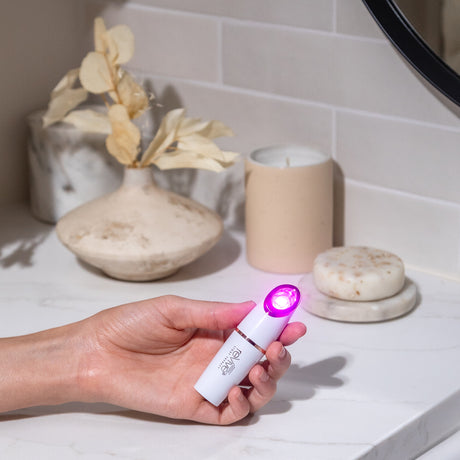
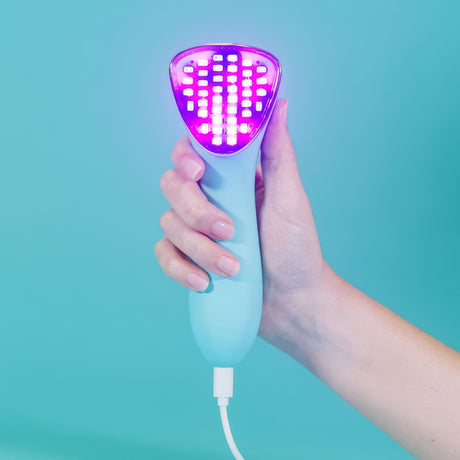
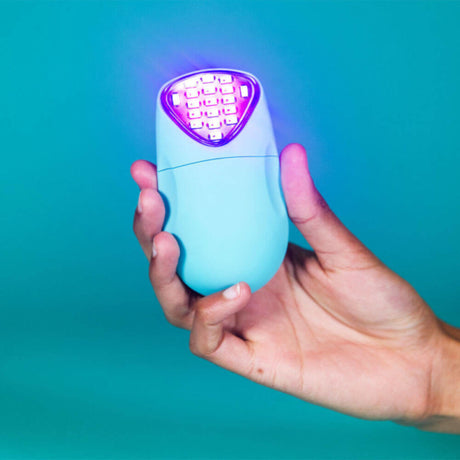
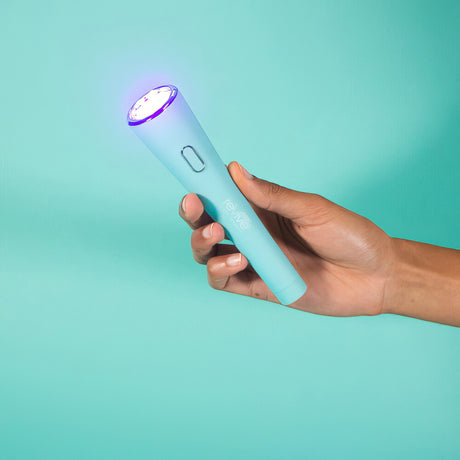
Lux Glō ($79) is a compact, portable option that combines red and blue light
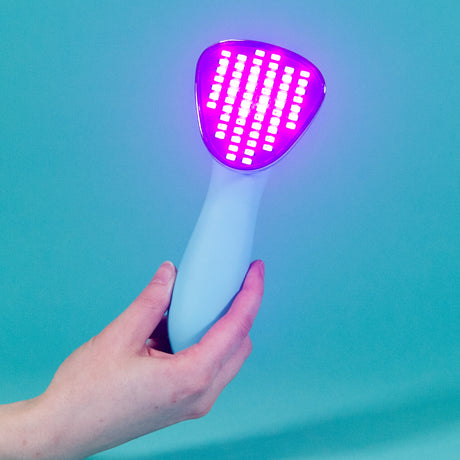
and fits easily into a bag or on a bathroom shelf. The Lux Clinical ($199) is a
panel format for a longer at-home session. The Lux dpl IIa ($399) is the
professional-grade panel, built for 3-minute full-face sessions combining red
and blue light. All three are safe for all skin tones, since the mechanism
depends on wavelength rather than pigment.
Making light therapy part of an accessible routine
Cost and convenience matter when you're deciding whether to
add a device to your routine. reVive's red light devices span a range of price
points, from the compact Lux Glō at $79 up to the professional-grade Lux dpl
IIa at $399, so there's room to start small. Qualifying devices are FSA/HSA eligible, which can make the purchase
easier if you're using pre-tax health dollars. For anyone comfortable with a
lightly used unit, Open Box devices are inspected, tested, and
repackaged at a reduced price, with the same technology and applicable warranty
as new. Pairing a device with the Relaxation Goggles adds a layer of eye
protection during sessions, which is worth considering regardless of which
device you choose.
Key Features at a Glance
- FDA-cleared
OTC Class II devices, independently reviewed for safety and efficacy
- Red
and near-infrared wavelengths around 630-660 nm reach the dermis and interact
with fibroblasts
- Fibroblast
activity is tied to collagen and elastin production, linked to firmness and
smoothness
- Portable
option (Lux Glō, $79) for quick sessions after sun, shaving, or exercise
- Panel
formats (Lux Clinical, $199; Lux dpl IIa, $399) for a fuller at-home session
- Lux
dpl IIa offers 3-minute full-face sessions combining red and blue light
- Safe
for all skin tones
- FSA/HSA
eligible on qualifying devices
- Open
Box devices available at a reduced price with the same technology and
applicable warranty
Frequently Asked Questions
Will an LED device get rid of redness from sunburn or a
workout? reVive devices aren't marketed to treat or cure redness from any
specific cause. What's established is that red and near-infrared light interact
with fibroblasts in the dermis, a process tied to skin firmness and smoothness
generally. Think of these devices as a general skincare step, not a spot fix
for a flush or a sunburn.
Which device should I start with for everyday redness? The
Lux Glō ($79) is the easiest entry point since it's compact, portable, and
combines red and blue light. If you want a longer session or a fuller panel
format, the Lux Clinical ($199) and the Lux dpl IIa ($399) are the other two
options.
Is this safe to use on sensitive or easily flushed skin?
reVive devices are FDA-cleared OTC Class II devices and safe for all skin
tones. If your skin flushes easily or you have a diagnosed condition, check
with a dermatologist before starting.
How often should I use a red light device?
Session frequency depends on the device and your routine. The Lux dpl IIa is
designed for 3-minute full-face sessions. Follow the instructions that come
with your specific device.
Should I see a dermatologist before trying light therapy for
redness? If your redness is persistent, uncomfortable, or you think it might be
tied to a diagnosed skin condition like rosacea, yes, talk to a dermatologist
first. For ordinary redness from sun, shaving, or exercise, these devices are a
general option to consider.
Are the devices FSA/HSA eligible? Qualifying reVive devices
are FSA/HSA eligible, so pre-tax health dollars can go toward the purchase.
Browse the Lux Glō, Lux Clinical, and Lux dpl IIa, and check
with a dermatologist first if your redness is more than the everyday kind.


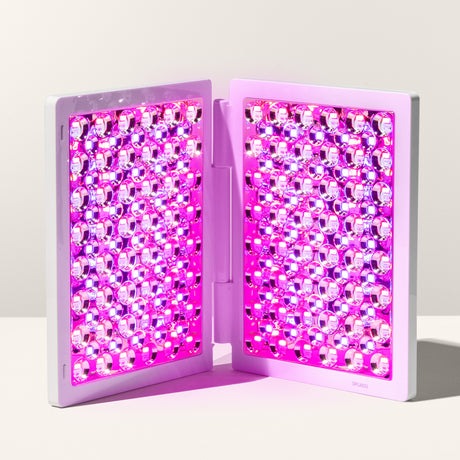
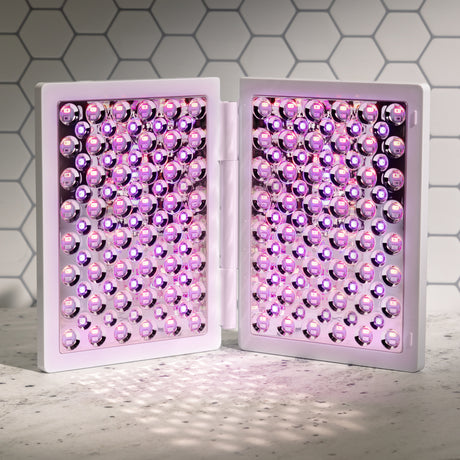 Sale price $319.20 Regular price $399.00 In StockUnit price /Unavailable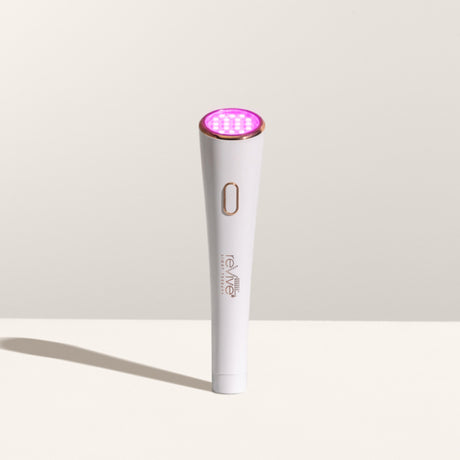
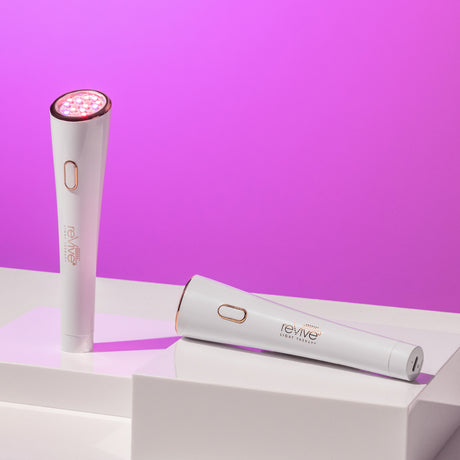 Sale price $63.20 Regular price $79.00 In StockUnit price /Unavailable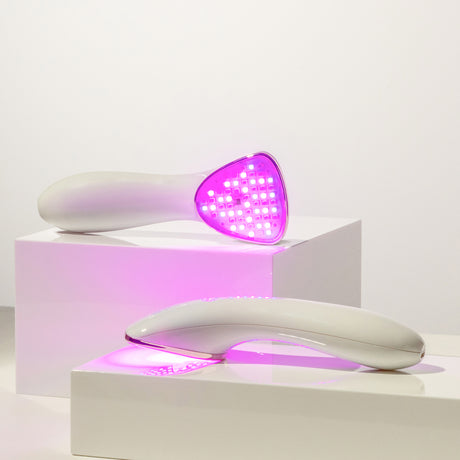
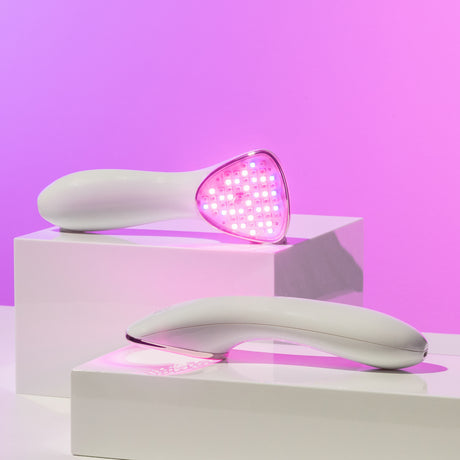 Sale price $159.20 Regular price $199.00 In StockUnit price /Unavailable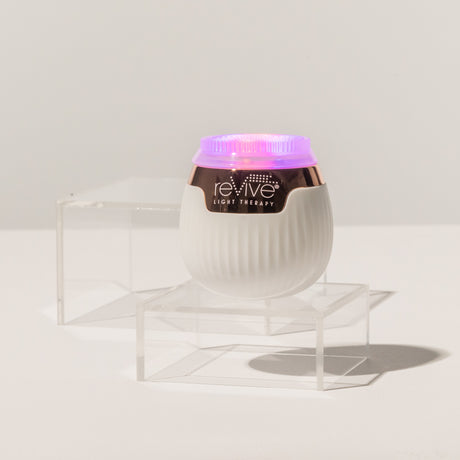
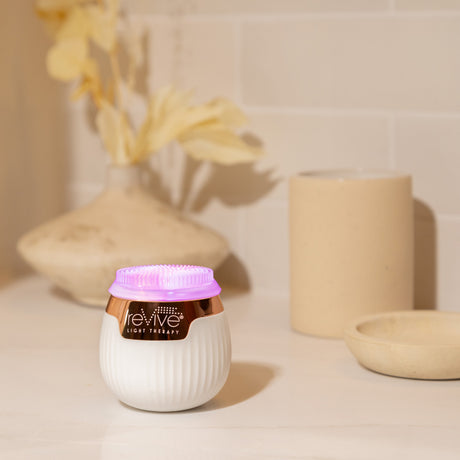 Sale price $103.20 Regular price $129.00 In StockUnit price /Unavailable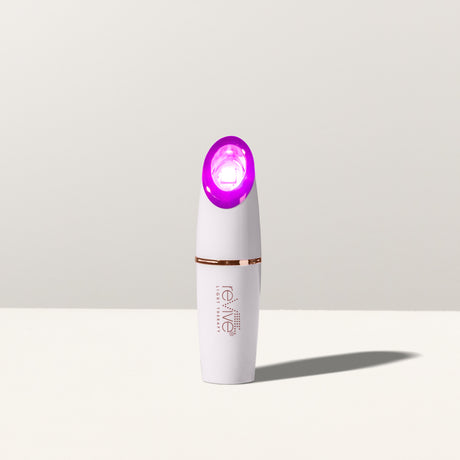
 Sale price $31.20 Regular price $39.00 In StockUnit price /Unavailable
 Sale price $47.20 Regular price $59.00 In StockUnit price /Unavailable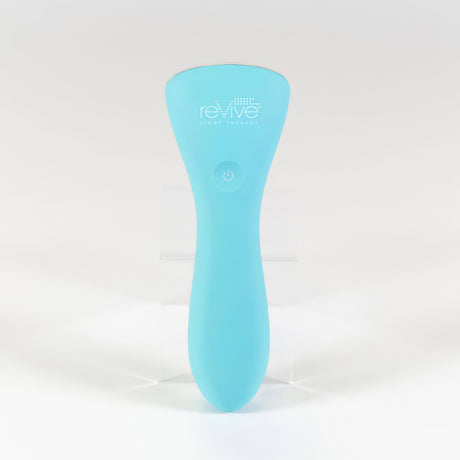
 Sale price $79.20 Regular price $99.00 In StockUnit price /Unavailable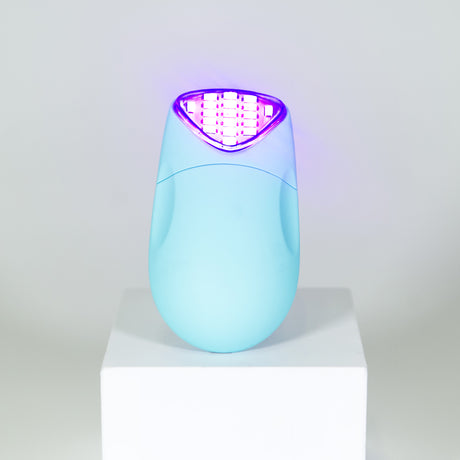
 Sale price $47.20 Regular price $59.00 In StockUnit price /Unavailable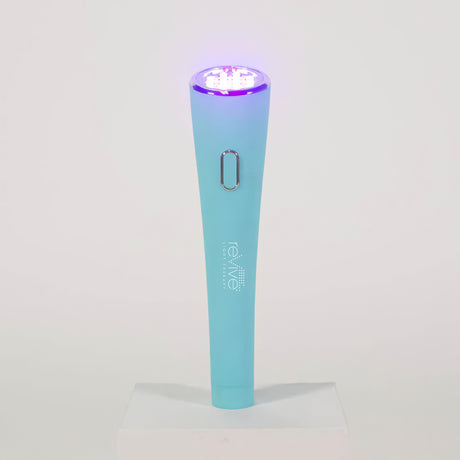
 Sale price $31.20 Regular price $39.00 In StockUnit price /Unavailable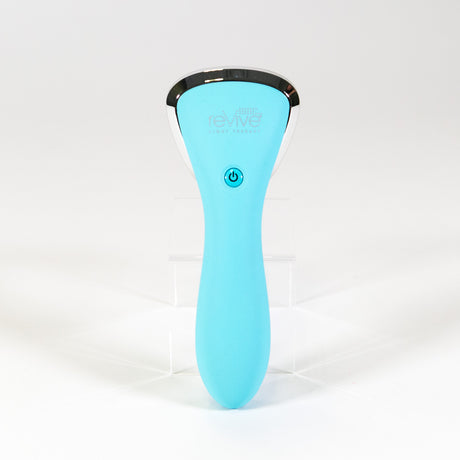
 Sale price $159.20 Regular price $199.00 In StockUnit price /Unavailable
