FSA-Cleared LED Light Therapy Devices
Every FSA and HSA eligible device on this site earns
that status through the same process, and this page walks through what that
process actually involves. Before a light therapy device can be marketed as FSA
or HSA eligible, it has to be reviewed by the FDA and cleared as an OTC Class
II medical device, a formal regulatory step that most consumer light therapy
gadgets never go through. That clearance is the reason flexible spending and
health savings accounts recognize the purchase as a qualifying medical expense
rather than a general wellness gadget. This page focuses on that underlying
process: how a device earns eligibility, how a shopper actually applies FSA or
HSA funds at checkout, and what to expect if a plan asks for extra
documentation. Think of it as the explainer behind the eligibility, the page to
read before comparing devices elsewhere on the site or before submitting
anything to your plan administrator.
How a Device Earns FSA and HSA Eligibility in the First Place
Eligibility isn't decided by a store, an FSA administrator's
software, or a marketing claim. It starts with the FDA. Before a light therapy
device can be marketed as FSA or HSA eligible, it has to be cleared as an OTC
Class II medical device. That involves a formal regulatory process in which the
device is independently reviewed for safety and efficacy before it reaches
consumers. Once a device holds that clearance, it falls into a category of
purchase that flexible spending and health savings accounts commonly cover.
Devices that skip this process, however well they're marketed, don't carry the
same standing.
What FDA Clearance Actually Involves
FDA clearance as an OTC Class II medical device is a formal
regulatory process, not a rubber stamp. The device is evaluated for safety and
effectiveness before it's allowed to reach the market, and that evaluation
happens independently of the company selling it. This matters because the light
therapy category includes a wide range of products, some cleared, some not, and
the clearance is the clearest signal of which is which. It's also the specific
detail that ties back to FSA and HSA eligibility, since these accounts are
generally built around recognized medical devices rather than general wellness
products.
How Shoppers Actually Use FSA or HSA Funds at Checkout
In practice, using these funds looks a little different
depending on the plan. Many FSA and HSA accounts come with a debit-style card
that can be used directly at checkout for an eligible purchase, in which case
the pre-tax funds apply immediately. Other plans require paying out of pocket
first and then filing a reimbursement claim afterward, submitting a receipt to
the plan administrator for reimbursement from the account. Neither approach is
universal, and the right one depends entirely on how your specific employer or
provider has set up the plan. Check your plan's portal or summary documents
before assuming which process applies to you.
When a Letter of Medical Necessity Might Come Into Play
Some plans process an eligible purchase without asking for
anything beyond the receipt. Others, particularly for certain product
categories, may request a letter of medical necessity from a healthcare
provider before releasing funds or approving a reimbursement. Whether that
applies to a given purchase depends on the plan, not on the device itself,
since eligibility already rests on the FDA clearance. If a letter is requested,
it's generally a plan-level requirement rather than a reflection of the product's
regulatory status. This is general guidance, not tax or legal advice, and
checking directly with your plan administrator is the most reliable way to know
what your plan actually requires.
Key Features at a Glance
- Eligibility
is rooted in FDA clearance as an OTC Class II medical device, not a marketing
label
- Clearance
means independent review for safety and efficacy before the device reaches the
market
- FSA
and HSA accounts commonly cover this category of purchase because of that
clearance
- Some
plans apply funds directly through a card at checkout
- Other
plans require paying upfront and filing a reimbursement claim afterward
- A
letter of medical necessity may be requested by some plans, depending on their
own rules
- Documentation
requirements vary by employer and plan year
- The
process described here applies across the FDA-cleared devices in the reVive lineup
Frequently Asked Questions
What actually makes a device FSA or HSA eligible? FDA
clearance as an OTC Class II medical device. That clearance is a formal
regulatory process, and it's what puts a device into a purchase category
flexible spending and health savings accounts commonly recognize.
Do I pay with an FSA/HSA card, or do I get reimbursed later?
It depends on your plan. Some plans issue a card that applies pre-tax funds
directly at checkout, while others require you to pay first and then submit a
reimbursement claim with your receipt. Check your plan's setup before you buy.
Will I need a letter of medical necessity? Possibly,
depending on your plan's own rules rather than anything specific to the device.
Some plans ask for one before releasing funds for certain purchases. Your plan
administrator can tell you what documentation, if any, is required.
Is this the same as general FSA/HSA eligibility information?
No. This page focuses specifically on how eligibility is earned through FDA
clearance and how funds move at checkout, rather than serving as a general
overview or a shopping list.
Does every reVive device go through this same clearance
process? Yes. Every device across the reVive lineup carries FDA clearance as an
OTC Class II medical device, which is the basis for FSA and HSA eligibility
regardless of which specific device you're considering.
Can you tell me exactly how my plan will treat this
purchase? Not with certainty. Plan rules vary too much for general guidance to
cover every case. This page explains the process in general terms, but checking
your plan's specifics directly with your administrator is the only reliable way
to know for sure.
Check your plan's specifics, then explore the FDA-cleared devices across the site to see
which one fits your routine.


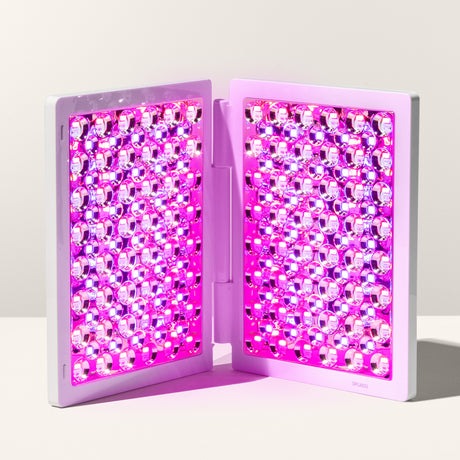
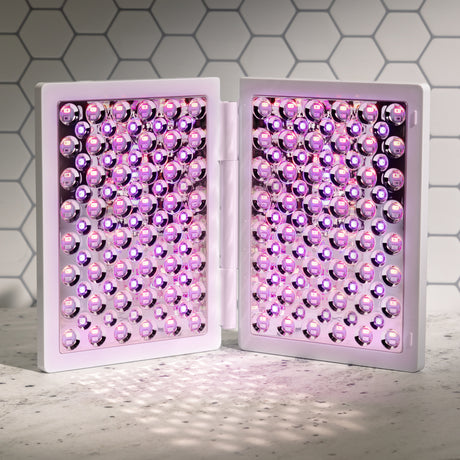 Sale price $319.20 Regular price $399.00 In StockUnit price /Unavailable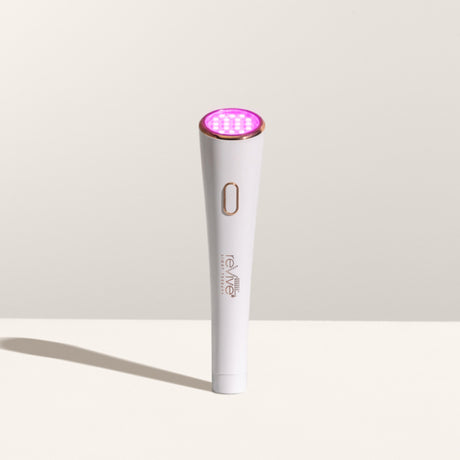
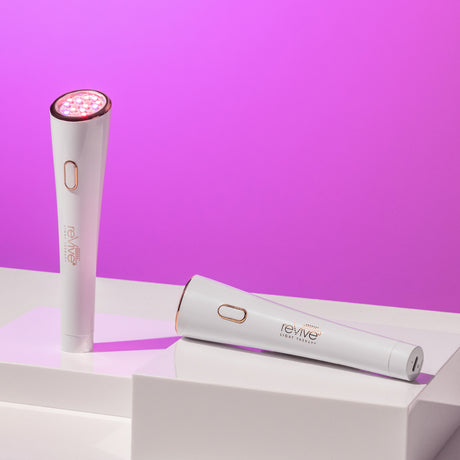 Sale price $63.20 Regular price $79.00 In StockUnit price /Unavailable
 Sale price $159.20 Regular price $199.00 In StockUnit price /Unavailable
 Sale price $31.20 Regular price $39.00 In StockUnit price /Unavailable
 Sale price $103.20 Regular price $129.00 In StockUnit price /Unavailable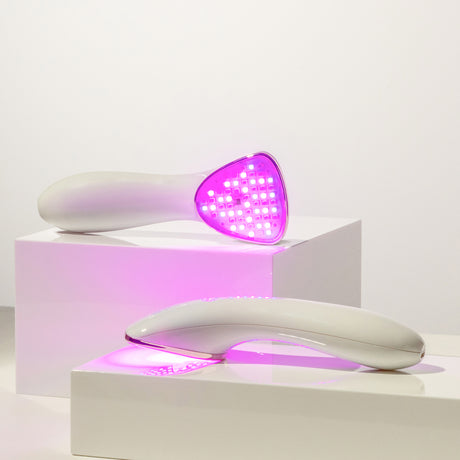
 Sale price $159.20 Regular price $199.00 In StockUnit price /Unavailable
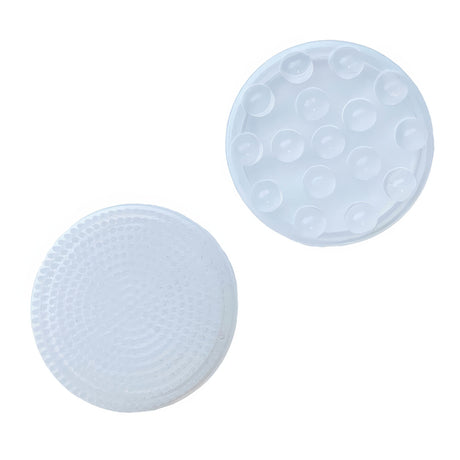 Sale price $12.00 Regular price $15.00 In StockUnit price /Unavailable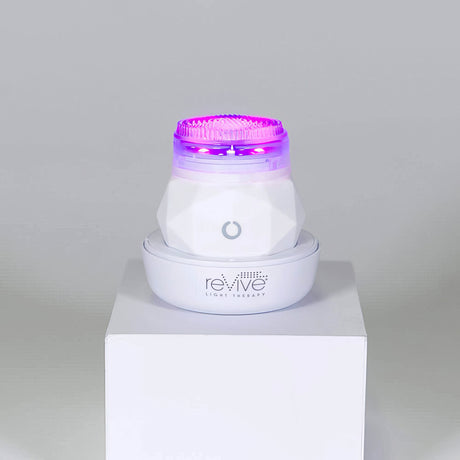
 Sale price $47.20 Regular price $59.00 In StockUnit price /Unavailable
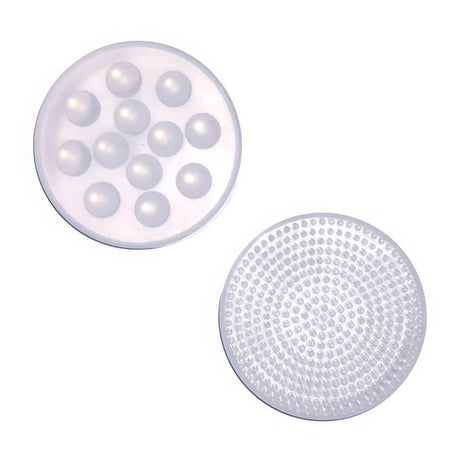 Sale price $8.00 Regular price $10.00 In StockUnit price /Unavailable
 Sale price $12.00 Regular price $15.00 In StockUnit price /Unavailable
 Sale price $79.20 Regular price $99.00 In StockUnit price /Unavailable
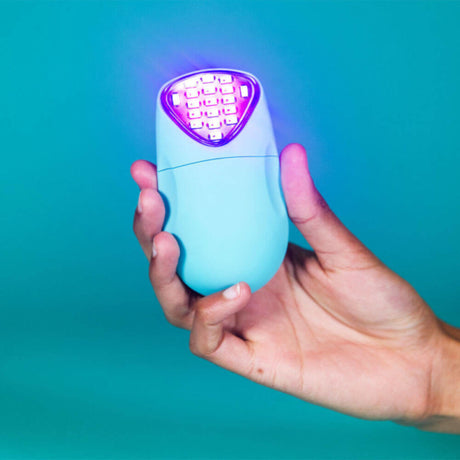 Sale price $47.20 Regular price $59.00 In StockUnit price /Unavailable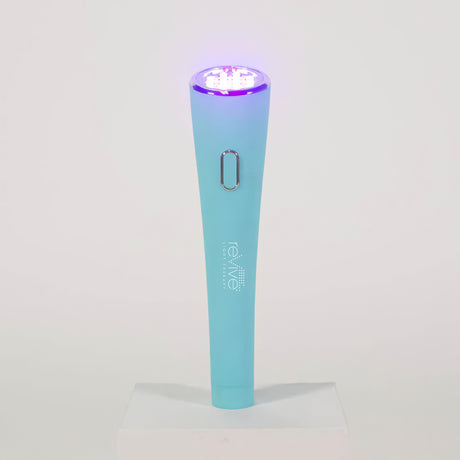
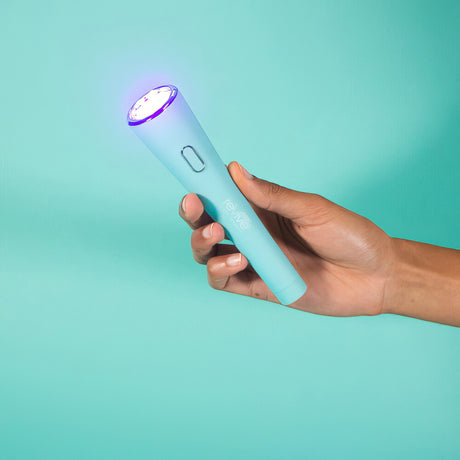 Sale price $31.20 Regular price $39.00 In StockUnit price /Unavailable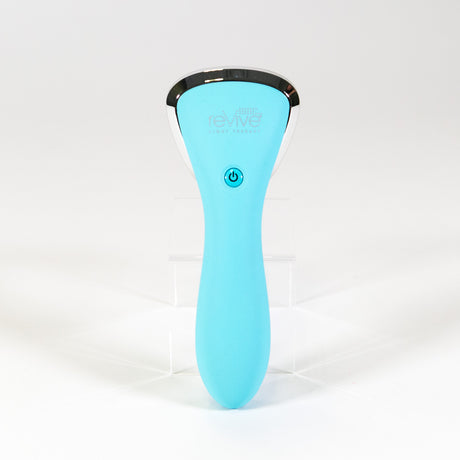
 Sale price $159.20 Regular price $199.00 In StockUnit price /Unavailable


