LED Light Therapy Devices for Face
The face is where most light therapy routines start and
stay. reVive Light Therapy™'s facial care collection brings together the
brand's core treatment devices, from anti-aging panels to acne-focused spot
treatments, built specifically for full and partial facial coverage. Some
people come to this page looking for something to treat one specific problem,
like a stubborn breakout along the jawline. Others want a broader routine that
addresses fine lines, firmness, and overall skin tone at once. The collection
is organized so both approaches work: compact devices for spot treatment sit
next to full-face panels, and a couple of devices combine two functions into
one step, such as cleansing and light treatment together. Every device here is
an FDA-cleared OTC Class II medical device, reviewed for safety and efficacy
before it reaches a bathroom counter. Open Box versions of several models are
included too, giving shoppers a lower-cost way into the same technology. The
sections below cover how the light itself works on facial skin, what each
device format actually treats, and how to fit one into a routine that already
exists.
Treating the Face at a Cellular Level
Facial skin responds to LED light through the same mechanism
across every reVive device: specific wavelengths interact with skin cells to
produce a targeted effect. Red and near-infrared light reach the dermis, the
layer where collagen and elastin are produced, which is why these wavelengths
are tied to fine lines and firmness. Blue light works differently. It targets
acne-causing bacteria at the surface of the skin, which is why it shows up in
devices built for breakout-prone areas rather than anti-aging use. Because the
two effects happen through different mechanisms, they can be delivered in the
same session without one interfering with the other. Several devices in this
collection combine both wavelengths for that reason, giving a single device the
ability to treat more than one facial concern without switching tools
mid-routine. That matters most for skin dealing with both aging and occasional
breakouts at once, which describes plenty of people who have outgrown
single-purpose spot treatments but still want targeted acne coverage.
From Targeted Treatment to Full-Face Coverage
This collection spans the full range of facial formats, and
the difference between them comes down to how much of the face gets treated in
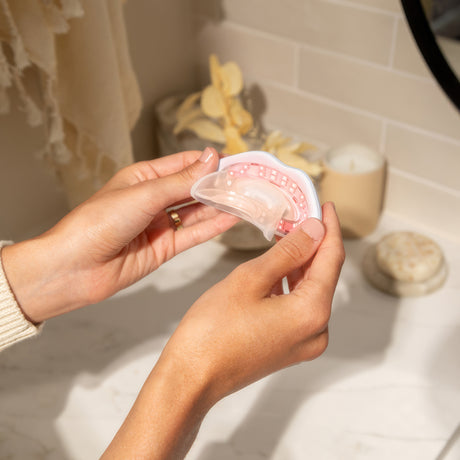
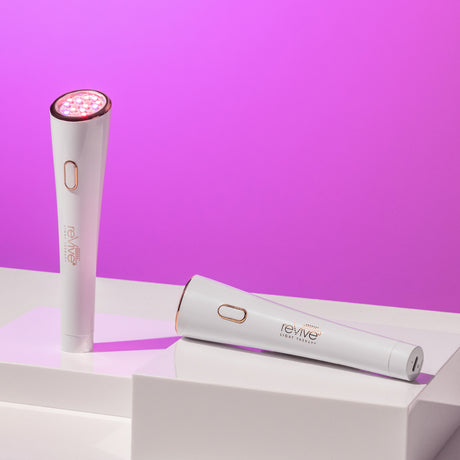
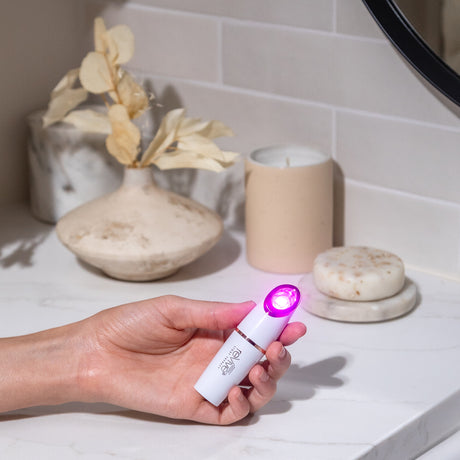
a single session. The Lux Spot is built for individual breakouts: small,
focused, and meant to be held directly against one area rather than moved
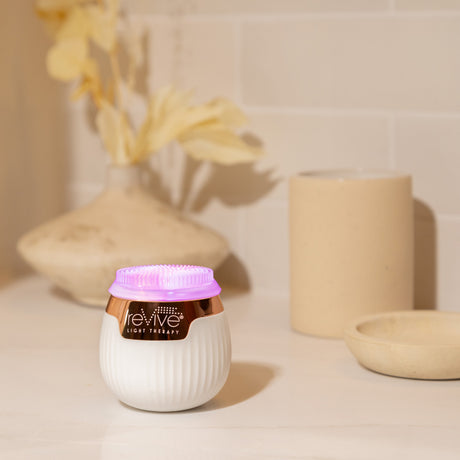
across the whole face. The Lux Soniqué Cleanser combines cleansing with light
treatment so the two steps happen together instead of as separate parts of a
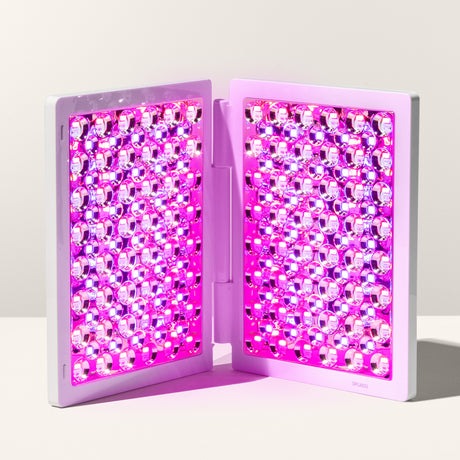
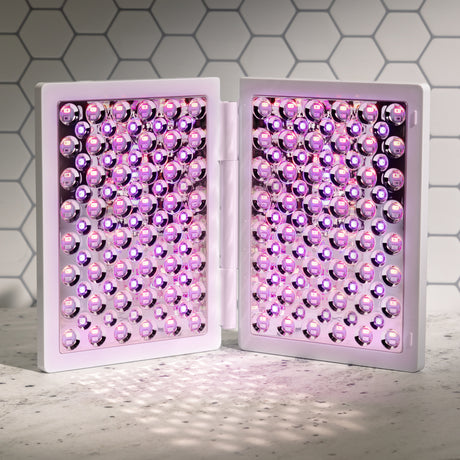
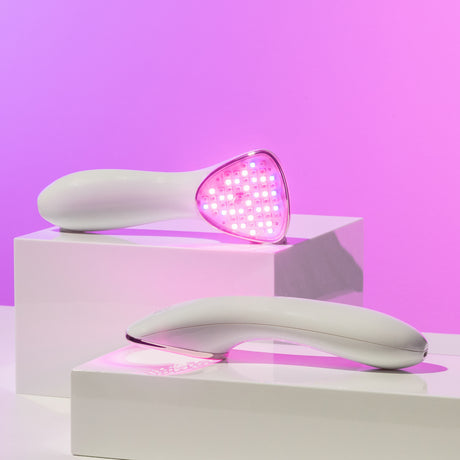
routine. At the other end of the range, the Lux Clinical and the Lux dpl IIa are full panels built for more
thorough sessions, treating the entire face at once rather than requiring
several passes over smaller areas. Open Box versions of several devices are
also available here at a reduced price. They're tested and still carry a
warranty, so the savings come from packaging or prior return status, not
reduced function.
Matching a Device to Your Skin Goals
Picking the right device starts with naming the actual
concern rather than the device category. An occasional breakout on the chin or
forehead is better served by something like the Lux Spot than by a full panel meant to cover
the whole face. Fine lines around the eyes and mouth, or general firmness, are
probably better matched to a full-face device that delivers red and
near-infrared light across a wider area in one session. For people managing
both concerns, the devices that combine red and blue light in a single unit
remove the need to choose one function over the other or run two routines back
to back. The Lux Soniqué Cleanser suits people who want to fold light therapy
into a step they're already doing daily instead of adding a new one. None of
this is mutually exclusive. Plenty of customers use a spot device for flare-ups
alongside a full-face panel for the broader routine.
Getting the Most from a Facial LED Device
Consistency matters more here than intensity. Most sessions
take just a few minutes, and the visible changes people associate with LED
light therapy come from regular use over several weeks, not occasional longer
sessions or skipped weeks made up for later. Building the device into an
existing routine, right after cleansing and before moisturizer, works better
than treating it as a separate ritual competing for time on its own. Skin tone
is not a limiting factor here. These devices are safe for all skin tones, so
device choice can rest entirely on the concern being treated. For anyone
weighing cost, several devices in this collection qualify for FSA or HSA spending, and the Open Box options
provide a lower entry point onto the same technology with no difference in
performance.
Key Features at a Glance
- FDA-cleared OTC Class II medical devices,
independently reviewed for safety and efficacy
- Full
range of facial coverage, from spot treatment to full-face panels
- Dual
wavelength options that combine red and blue light in a single session
- Full-face
devices, like the Lux Clinical and Lux dpl IIa, built to treat
the entire face at once
- Combination
formats, including a cleanser that pairs cleansing with light treatment
- Open
Box savings on tested, warrantied devices at a reduced price
- Safe
for all skin tones
- FSA/HSA
eligible on qualifying devices
- Short
sessions designed to fit into an existing skincare routine
Frequently Asked Questions
Which facial device treats the most area at once? The Lux
Clinical and Lux dpl IIa offer the largest treatment surfaces in the
collection, covering the full face in a single session rather than requiring
you to treat smaller areas individually.
Can I treat acne and anti-aging concerns on my face at the
same time? Yes. Several facial devices, including the Lux Clinical and Lux dpl
IIa, combine red and blue light in one session, addressing both concerns
without needing two separate devices.
How often should I use a facial LED device?
Most sessions take just a few minutes, and consistency matters more than
frequency. Regular use over several weeks, rather than occasional longer
sessions, is what produces visible results.
What's the difference between the Lux Spot and a full-face
panel? The Lux Spot is built for individual breakouts or small areas, while
full-face panels like the Lux Clinical and Lux dpl IIa cover the entire face at
once. Which one fits better depends on whether the concern is localized or
spread across the face.
Are Open Box devices as effective as new ones? Yes. Open Box
devices are tested and still come with a warranty. The reduced price reflects
packaging or prior return status, not a difference in how the device functions.
Is LED light therapy safe for all skin tones? Yes. The
devices in this collection are safe for all skin tones, so choosing a device
can be based on the skin concern rather than any restriction tied to skin type.
Explore reVive's LED Light Therapy Devices for Face and find
the right coverage for your routine.


 Sale price $319.20 Regular price $399.00 In StockUnit price /Unavailable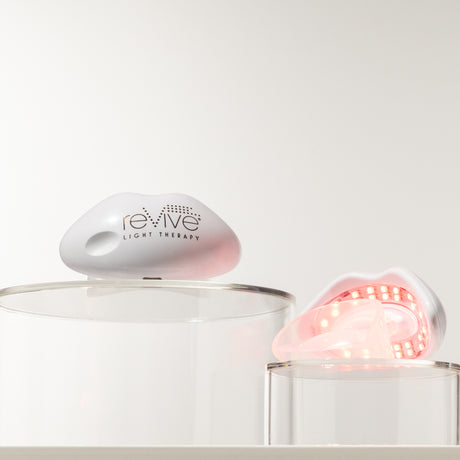
 Sale price $79.20 Regular price $99.00 In StockUnit price /Unavailable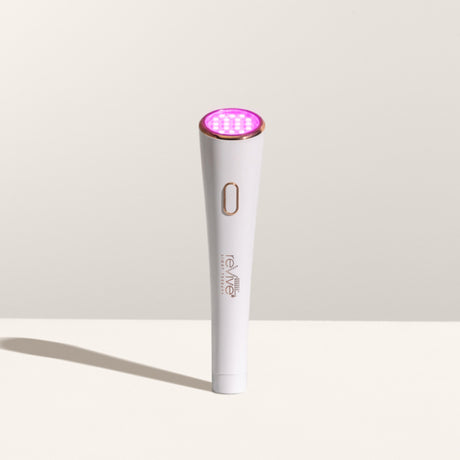
 Sale price $63.20 Regular price $79.00 In StockUnit price /Unavailable
 Sale price $159.20 Regular price $199.00 In StockUnit price /Unavailable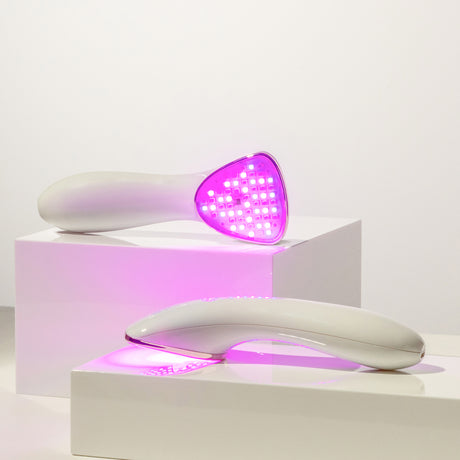
 Sale price $159.20 Regular price $199.00 In StockUnit price /Unavailable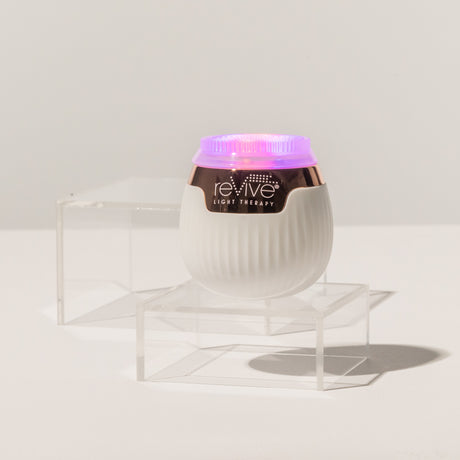
 Sale price $103.20 Regular price $129.00 In StockUnit price /Unavailable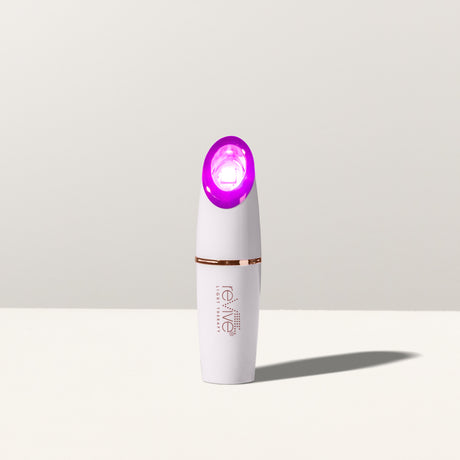
 Sale price $31.20 Regular price $39.00 In StockUnit price /Unavailable


