LED Light Therapy Devices for Acne
Breakouts respond to more than cleansers and spot
treatments. Blue light therapy works at the source, targeting the bacteria
behind inflammatory acne, without stripping the skin or introducing new
chemicals into your routine. Where topical treatments can dry out skin and oral
medications carry systemic side effects, light-based treatment works
differently: it uses a specific wavelength of visible light to disrupt the
bacteria that trigger breakouts, while leaving the surrounding skin barrier
intact. reVive Light Therapy™ built its acne range around that principle,
offering FDA-cleared, clinically studied devices that fit a range of budgets
and skin needs, from a first-time spot treatment to a full clinical-grade
panel. This collection of 11 devices covers the full spectrum of acne
management, from the occasional breakout before an event to a more persistent
pattern calling for a consistent, full-face approach. Each device relies on the
same core science, wavelengths of light that acne-causing bacteria cannot tolerate,
without the downtime or irritation that harsher treatments can bring.
How Blue Light Clears Acne at the Source
Blue light, delivered around 415 nm, targets porphyrins,
compounds naturally produced by acne-causing bacteria living in clogged pores.
When these porphyrins absorb blue light, they generate byproducts that are
lethal to the bacteria, without damaging the surrounding skin. It's a mechanism
validated across a substantial body of peer-reviewed phototherapy research, and
it's the same science behind every FDA-cleared blue light acne device on the
market, including reVive's. Unlike treatments that work by altering the skin's
surface and can leave it dry or irritated, blue light acts directly on the
bacterial population, targeting the cause of a breakout rather than only its
aftermath.
Several devices in this collection pair blue light with red,
associated with supporting skin recovery after a breakout. Combining both
wavelengths in a single session addresses the bacteria while giving the skin a
head start on healing.
A Device for Every Stage of Your Acne Routine
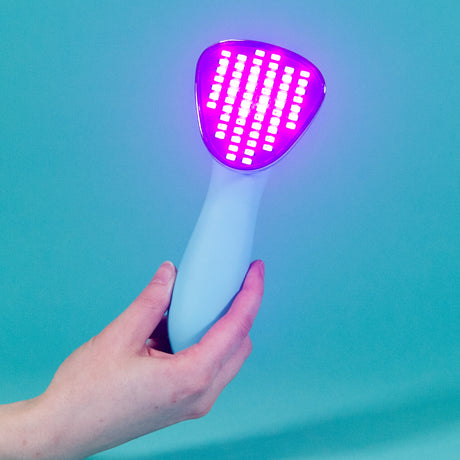
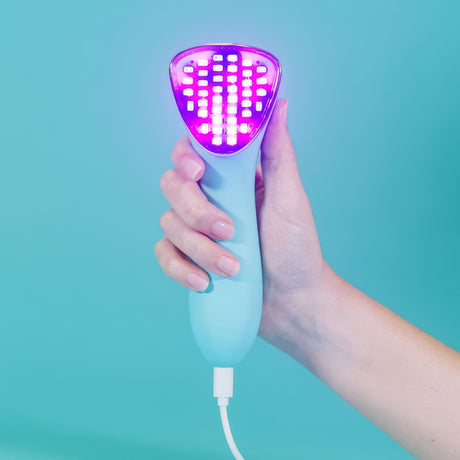
Not every breakout calls for the same tool, and the range in
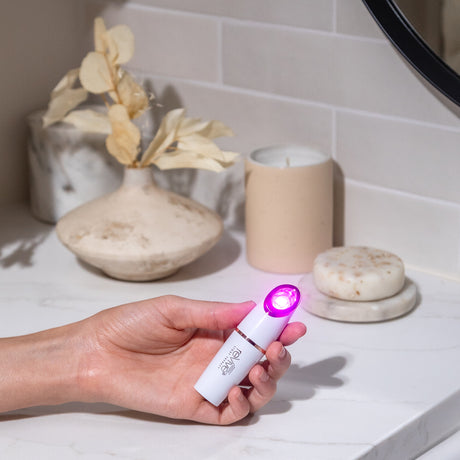
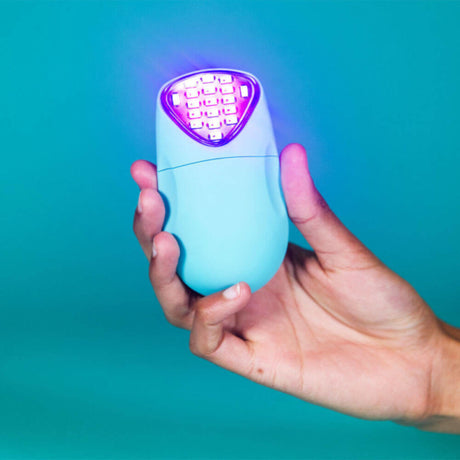
this collection reflects that. The Lux Spot ($39) is built for targeted,
occasional flare-ups, a low-commitment way to try blue light therapy on a
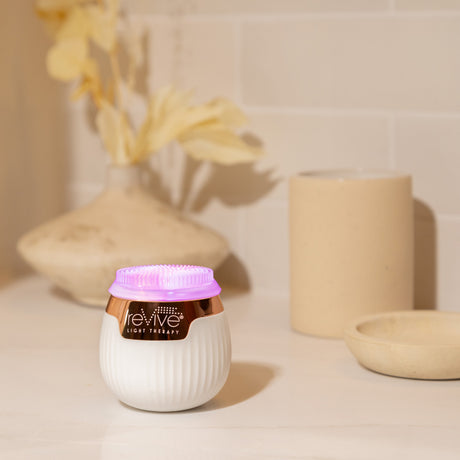
single blemish. The Soniqué Mini ($59) pairs blue light with gentle sonic
cleansing for daily use, folding treatment into cleansing rather than adding a
separate step.
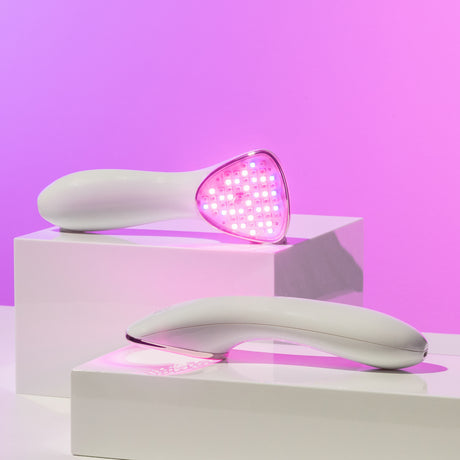
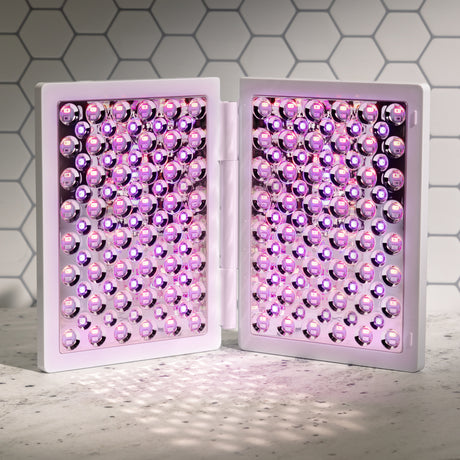
For broader, more consistent treatment, the Lux Clinical
($199) and Lux dpl IIa ($399) step up to a panel format,
treating the full face in one session rather than one spot at a time. Both also
double as anti-aging devices, useful for anyone managing more than one concern,
since breakouts and early signs of aging often show up on the same skin.
Building Blue Light Into Your Daily Skincare Routine
Consistency matters more with light therapy than with a spot
treatment used only when a blemish appears. Because the mechanism relies on
reducing the bacterial population over repeated sessions, results build
gradually rather than after a single use, so fitting a device into an existing
routine gives it the consistency it needs to work as intended. Attaching the
light therapy step to a moment already built into the day, a morning cleanse or
an evening wind-down, makes it easier to stay consistent. The Soniqué Mini simplifies this further by
combining cleansing and treatment in the same few minutes.
Blue light therapy is also not a reason to abandon a topical
routine already in place. Cleansers and treatments aimed at clearing pores or
calming inflammation address different parts of the acne picture, and light
therapy works alongside them.
FDA Clearance, Safety, and Accessibility
Every device in this collection carries FDA clearance as an
over-the-counter Class II medical device, meaning each has been independently
reviewed for safety and efficacy before reaching the market. That clearance is
a meaningful marker in a category where plenty of light-based products make
claims without any regulatory review behind them. These devices are also
formulated to be safe across skin tones, and blue light carries a different
safety profile than treatments relying on heat or more aggressive wavelengths,
part of why it's cleared for regular, at-home use without professional
supervision.
Cost is often the deciding factor in whether a treatment
gets used consistently, and several devices in this collection are eligible for
FSA and HSA spending, lowering the real cost
of the higher-tier panel devices for anyone who has set aside pre-tax dollars
for medical expenses.
Key Features at a Glance
- FDA-Cleared:
OTC Class II medical devices, independently reviewed for safety and efficacy
- Blue
Light Therapy: targets the bacteria responsible for inflammatory acne at its
source, around 415 nm
- Dual
Blue and Red Options: red supports skin recovery after breakouts on select
devices
- Devices
for Every Budget: from $39 spot treatments to $399 professional-grade panels
- Panel
and Spot Formats: choose focused, single-blemish treatment or full-face
coverage
- Safe
for All Skin Tones
- FSA/HSA
Eligible on qualifying devices
- Built
for Home Use: no downtime and no professional supervision required
- Dual-Purpose
Devices: the Lux Clinical and Lux dpl IIa also address
signs of aging
Frequently Asked Questions
Does blue light therapy actually work for acne?
Yes. Blue light at wavelengths around 415 nm targets the bacteria responsible
for inflammatory acne, a mechanism supported by a substantial body of
peer-reviewed research and the basis for FDA clearance of blue light acne
devices, including reVive's.
Which reVive device is best for acne? It
depends on how much of your routine you want dedicated to treatment. The Lux
Spot suits occasional spot treatment, the Soniqué Mini combines blue light with
sonic cleansing for daily use, and the Lux Clinical or Lux dpl IIa panel
devices suit more consistent, full-face sessions.
Can I use a blue light device if I also want to treat signs
of aging? Yes. The Lux Clinical and Lux dpl IIa combine blue and red light in
the same session, so acne and early signs of aging can be addressed together
rather than requiring separate tools.
How often should I use a blue light device for
acne? Consistency matters more than intensity. Because the treatment works by
reducing bacteria over repeated sessions, fitting it into a daily or near-daily
routine gives it the best chance to work.
Is blue light therapy safe for sensitive or darker skin
tones? Yes. The devices in this collection are formulated to be safe across
skin tones and are FDA-cleared as OTC Class II medical devices, carrying a
different safety profile than heat-based or more aggressive treatments.
Can I use blue light therapy alongside my current acne
products? Yes. Blue light targets the bacteria behind breakouts, while
cleansers and topical treatments address other parts of the picture, like
clearing pores or calming inflammation. The two approaches work alongside each
other.
Explore the full range of LED Light Therapy Devices for Acne
and find the device that fits your routine and your skin.


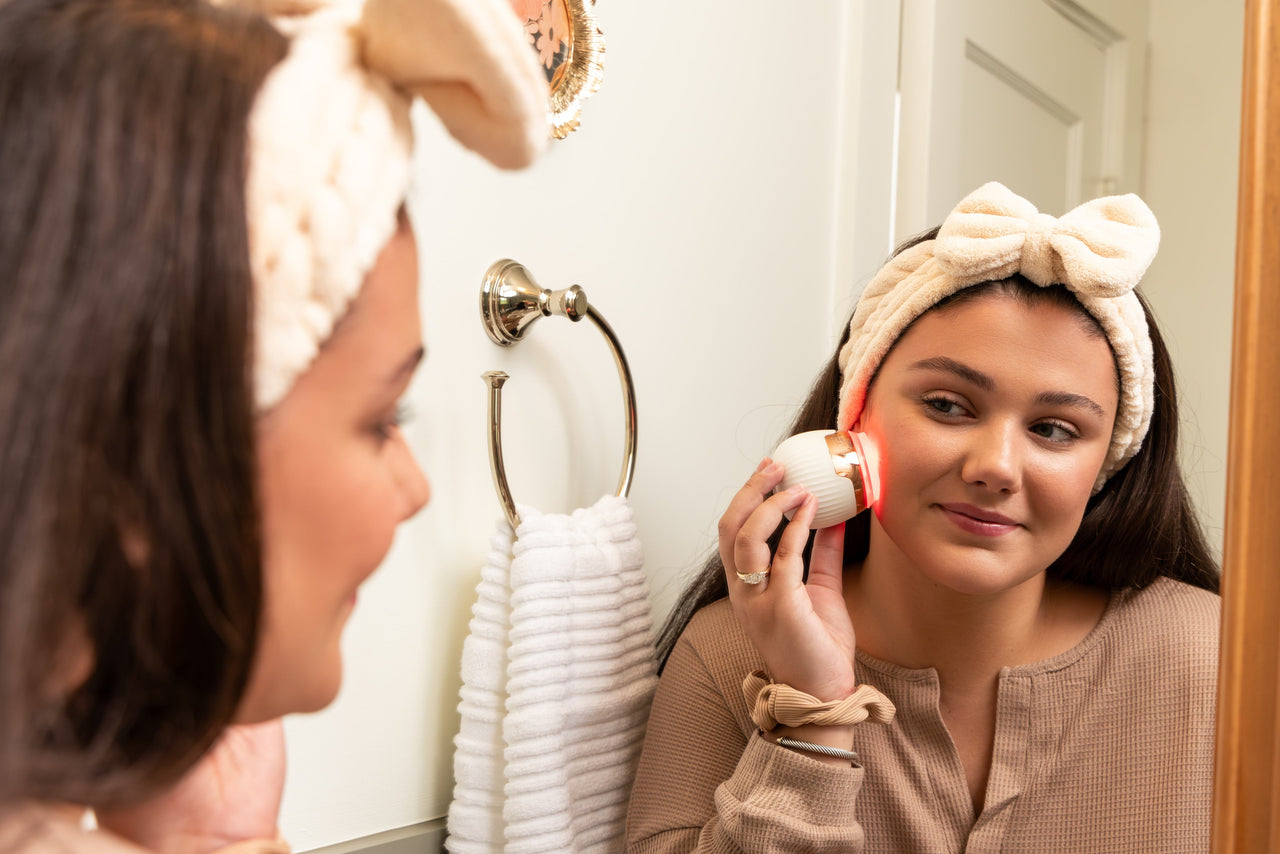

 Sale price $159.20 Regular price $199.00 In StockUnit price /Unavailable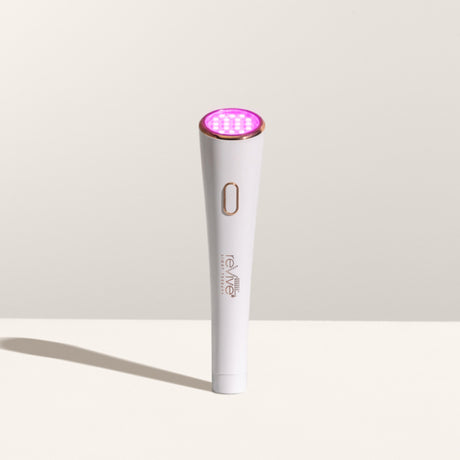
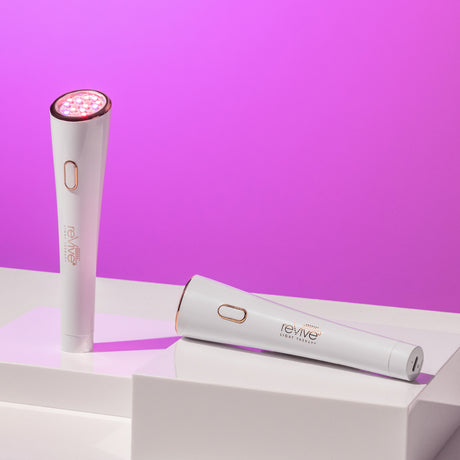 Sale price $63.20 Regular price $79.00 In StockUnit price /Unavailable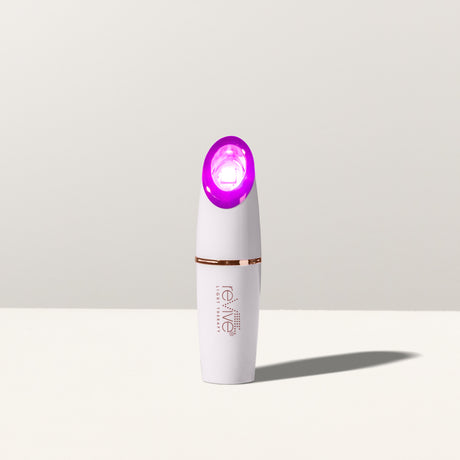
 Sale price $31.20 Regular price $39.00 In StockUnit price /Unavailable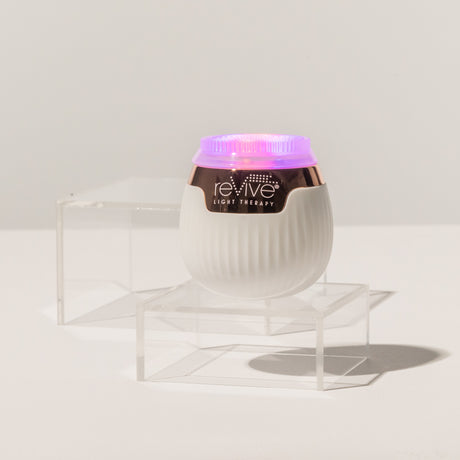
 Sale price $103.20 Regular price $129.00 In StockUnit price /Unavailable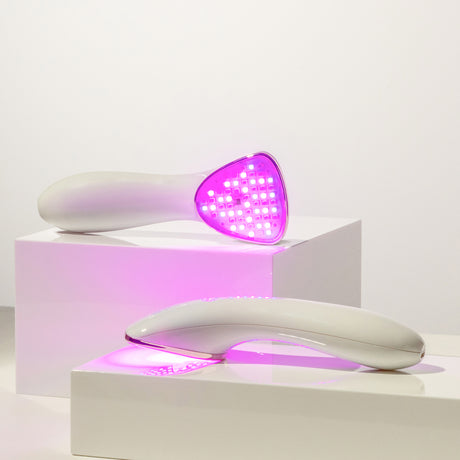
 Sale price $159.20 Regular price $199.00 In StockUnit price /Unavailable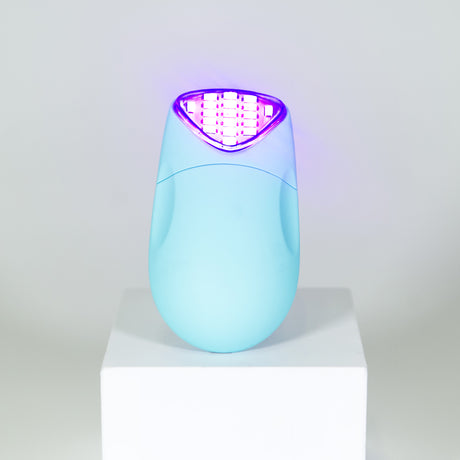
 Sale price $47.20 Regular price $59.00 In StockUnit price /Unavailable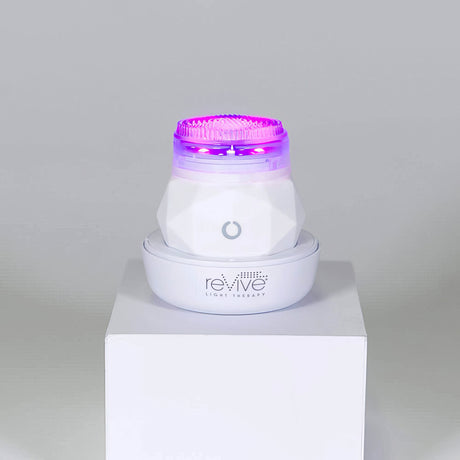
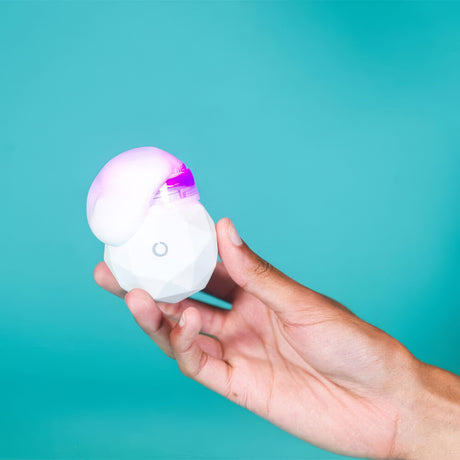 Sale price $47.20 Regular price $59.00 In StockUnit price /Unavailable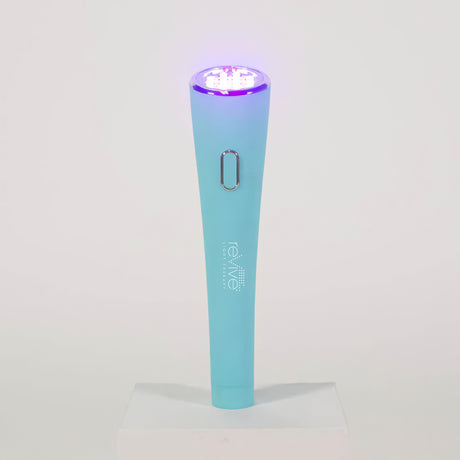
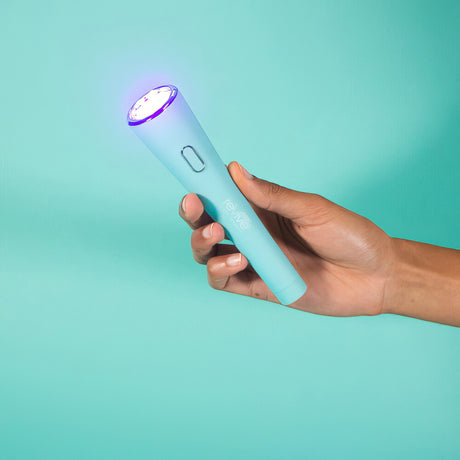 Sale price $31.20 Regular price $39.00 In StockUnit price /Unavailable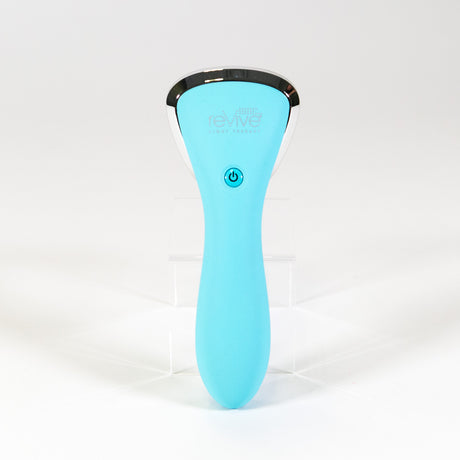
 Sale price $159.20 Regular price $199.00 In StockUnit price /Unavailable
 Sale price $79.20 Regular price $99.00 In StockUnit price /Unavailable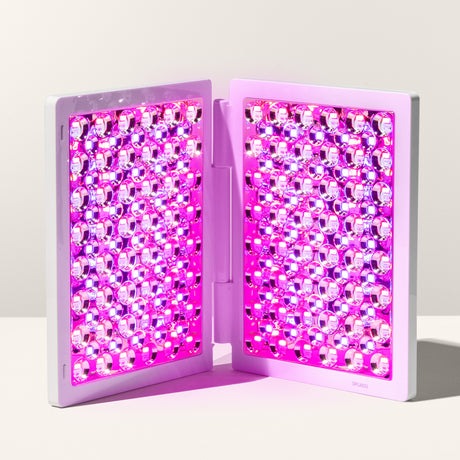
 Sale price $299.25 Regular price $399.00 In StockUnit price /Unavailable

